
North Dakota Soybean Harvest & Basis
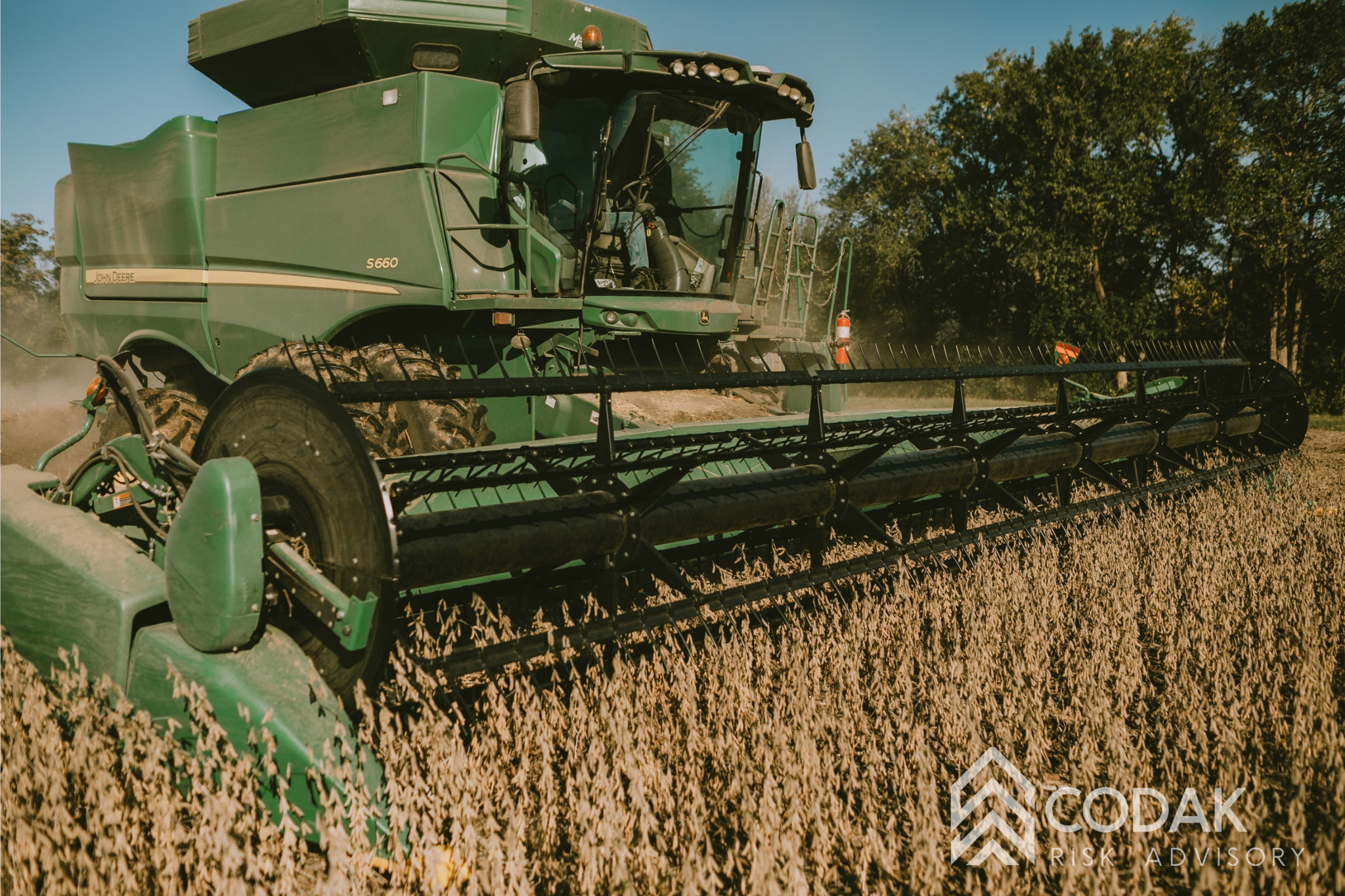
Following one of the driest growing seasons North Dakota has experienced in recent years, we are at the brink of soybean harvest. We are seeing the strongest harvest basis I have seen in my career coming from the crush facilities. However, that is also pushing the commercial side to some of the strongest harvest values we’ve seen, even to the point where they’re looking at negative margins for shipping soybeans to the PNW.
With strong exports, dry weather, and significant storm damage last year that hit yields in the crush plant draw area, we’re seeing very strong bids as buyers try to capture every bushel before it has a chance to leave via export.
China is currently around 45% booked of their 25 MMT of soybean purchases. If you include Unknown destinations that are likely China, we see that shoot closer to 55% booked.
Harvest Yields Will Set the Tone
With harvest just starting, yields are anyone’s guess, and that’s one of the biggest reasons we’re seeing such strong basis values.
As combines roll and yield reports become more consistent, both crush plants and commercial facilities will be watching closely. With two local crush facilities competing alongside a strong export program, both sides will be battling for available bushels.
Crush margins remain very attractive, allowing processors to outbid many export channels. Strong demand for soybean oil and steady soybean meal values have helped support those margins, giving processors room to bid more aggressively for available bushels. Combined with a relatively strong futures market, it's understandable why many producers are considering moving soybeans sooner rather than later.
While futures remain an important part of the pricing equation, today's basis levels are doing much of the heavy lifting in the cash price. As harvest progresses and buyers gain a better understanding of production, basis can change quickly. The premiums we're seeing today may not be available once harvest pressure eases, or buyers become more comfortable with available supplies.
Storage Opportunities Still Exist
One area worth watching is the delivery side of the market.
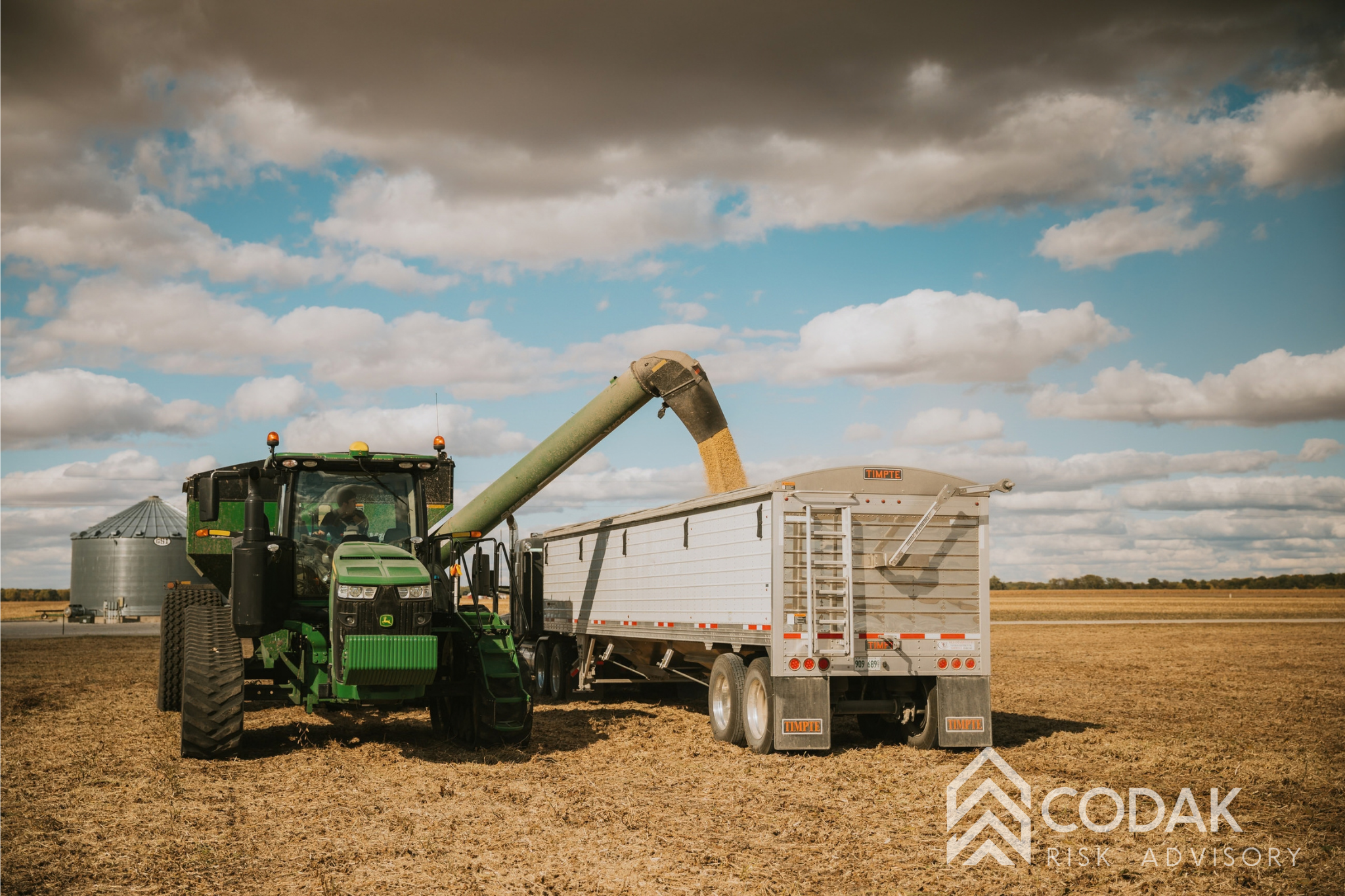
We're currently seeing significant carries posted. Storing soybeans from October into the latter half of December—or even the first half of January—is offering a carry of roughly 40 to 45 cents per bushel, more than enough to offset interest costs over that period.
For producers with on-farm storage, it's worth comparing those carries against storage costs, interest expense, and any quality risks before deciding whether to move soybeans at harvest or store them into winter.
After January, however, the market changes.
Carries from February through April flatten considerably and generally only keep pace with interest costs, offering little additional incentive for long-term storage.
Final Thoughts
This year's soybean market is presenting opportunities we don't often see at harvest. Strong competition between local crushers and exporters has created historically attractive basis levels, but that can change quickly as more yield data becomes available and buyers gain confidence in the crop size.
Whether you're planning to sell at harvest, store into winter, or make incremental sales, it's worth running the numbers and understanding where your opportunities are. Basis, futures, and carry all have a role to play this year, and having a marketing plan before market conditions change can help capture value while these opportunities are available.
As harvest progresses, ask yourself a few key questions:
Does today's basis justify making cash sales?
Is the posted carry enough to cover my storage costs?
If basis weakens after harvest, what's my plan?
Am I marketing based on today's opportunities, or am I simply waiting without a plan?
This remains a dynamic soybean market, and staying flexible will be key as more yield information becomes available.

Alex Andel
Basis and Freight | Market Advisor, Northern Plains
As our basis and freight expert, Alex assesses current market conditions and forecasts future scenarios. His keen insights create transparency in the cash market, resulting in significant returns for our clients.
Connect with Alex