
The PNW shipping corridor is typically a powerhouse for U.S. grain, acting as a primary gateway to Asian markets. However, export volumes moving through the PNW have hit an unexpected lull.
Missing out on this critical early-season shipping window has sparked concerns about U.S. competitiveness for the remainder of the marketing year, especially as this critical early-season shipping window has raised concerns about U.S. competitiveness for the rest of the marketing year. A wave of old-crop corn from Argentina continues to capture global market share.
The Missing Peak: Why PNW Volume is Lagging
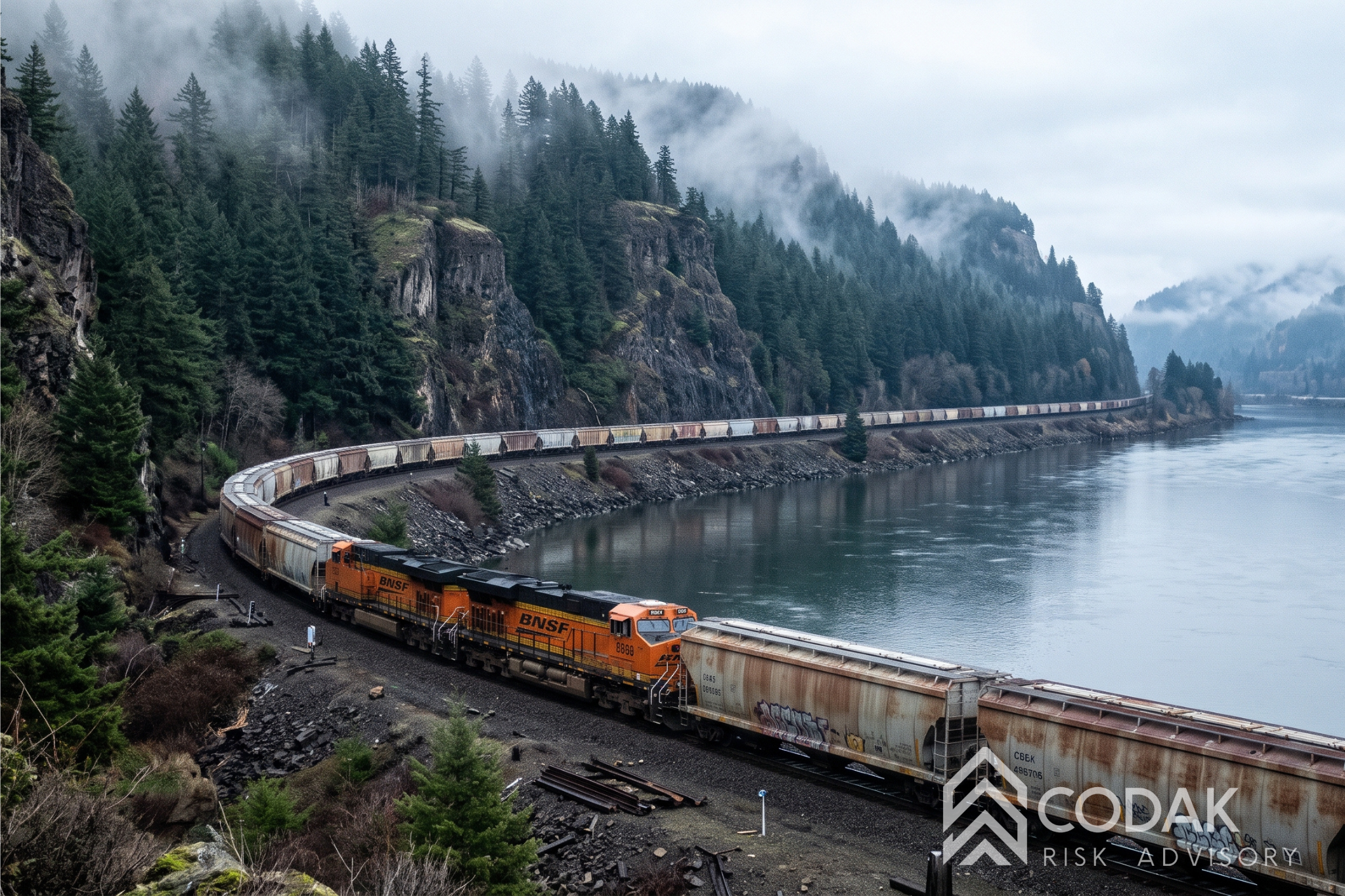
The fall and winter months usually represent a major shipping window for U.S. corn. During this timeframe, U.S. suppliers capitalize on the post-harvest lull in South America before Brazil’s Safrinha crop hits the market in the summer.
While the PNW saw strong railcar activity leading into harvest, overall export flows have recently failed to sustain that momentum.
Higher localized rail freight costs, including fuel surcharge increases of $500 - $1,100 per car on routes heading to PNW terminals, have altered regional export economics.
This domestic friction, combined with soft immediate demand from traditional Asian buyers who front-loaded their purchases earlier in the year, has left PNW terminals quieter than usual during a peak seasonal window.
The Domino Effect: Losing the Early Window
In international grain trading, timing is everything. Missing the peak of a major shipping window can carry heavy consequences for the back half of the marketing year.
Elevated Commercial Storage Pressure
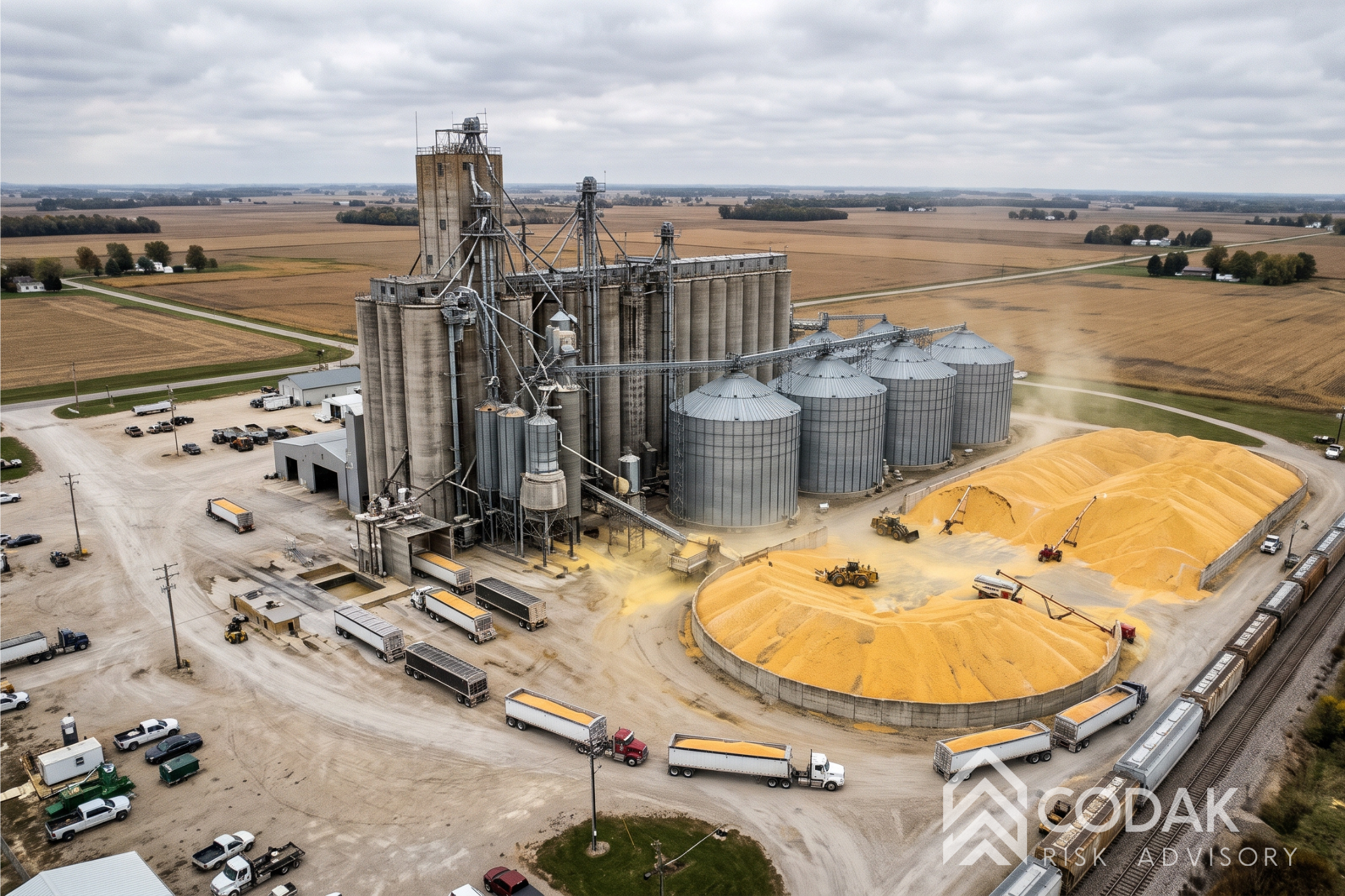
Backlogs at PNW ports push the burden of grain storage back onto the interior supply chain.
With recent harvests in states like the Dakotas, the lack of immediate export outlets forces domestic elevators and farmers to hold onto grain longer, depressing local basis levels.
A Harder Climb in 2027
USDA exports projected a downward shift in overall U.S. corn export forecasts, dialing expectations back by 150 million bushels compared to previous record highs.
Failing to move volume now means the U.S. will have to compete aggressively in the spring and summer, a period when global buyers shift their focus south.
The Argentina Factor: Old Crop Pressure

Compounding the slow start at the PNW is the persistent availability of old-crop corn from South America.
Argentina has aggressively marketed its remaining old-crop inventories. Driven by domestic economic policies, favorable exchange rates, and a strong push by Argentinian producers to clear out before harvest, this old-crop supply has acted as a buffer in global markets.
By offering highly competitive pricing, Argentina has successfully siphoned away demand from the U.S. Gulf and PNW regions.
Instead of turning to the U.S. out of necessity during harvest, price-sensitive buyers in North Africa and parts of Asia have opted for cheaper South American old-crop shipments.
What to Watch Moving Forward
The remainder of the marketing year hinges on how quickly U.S. corn can regain its competitive edge.
If Argentina's old-crop supplies begin to dwindle ahead of its next major harvest cycle, a secondary demand window could open for U.S. exporters.
However, the margin for error is razor-thin.
U.S. exporters must monitor regional logistics closely, along with USDA export updates, to ensure logistics run smoothly if demand spikes.
If PNW volumes don't pick up before Brazil's next Safrinha harvest arrives, the U.S. could find itself holding onto a surplus well into next year.
For producers, export movement, freight costs, and local basis levels will be important indicators to watch as the market works through these competing supply pressures.

Alex Andel
Basis and Freight | Market Advisor, Northern Plains
As our basis and freight expert, Alex assesses current market conditions and forecasts future scenarios. His keen insights create transparency in the cash market, resulting in significant returns for our clients.
Connect with Alex