
Weather Delays and Declining Crop Ratings Shake Up Expectations for Friday's WASDE
The grain markets are heading into Friday’s WASDE report facing a rapidly changing mix of data. While the heavy old-crop supply from last week’s Grain Stocks report is still capping the market, wet weather and sliding crop conditions are tightening things up in the short term. Analysts are now actively debating just how much harvest delays and late-season stress will drag down final yields.
Harvest Disruptions: Saturated Fields Stall Open-Market Supplies
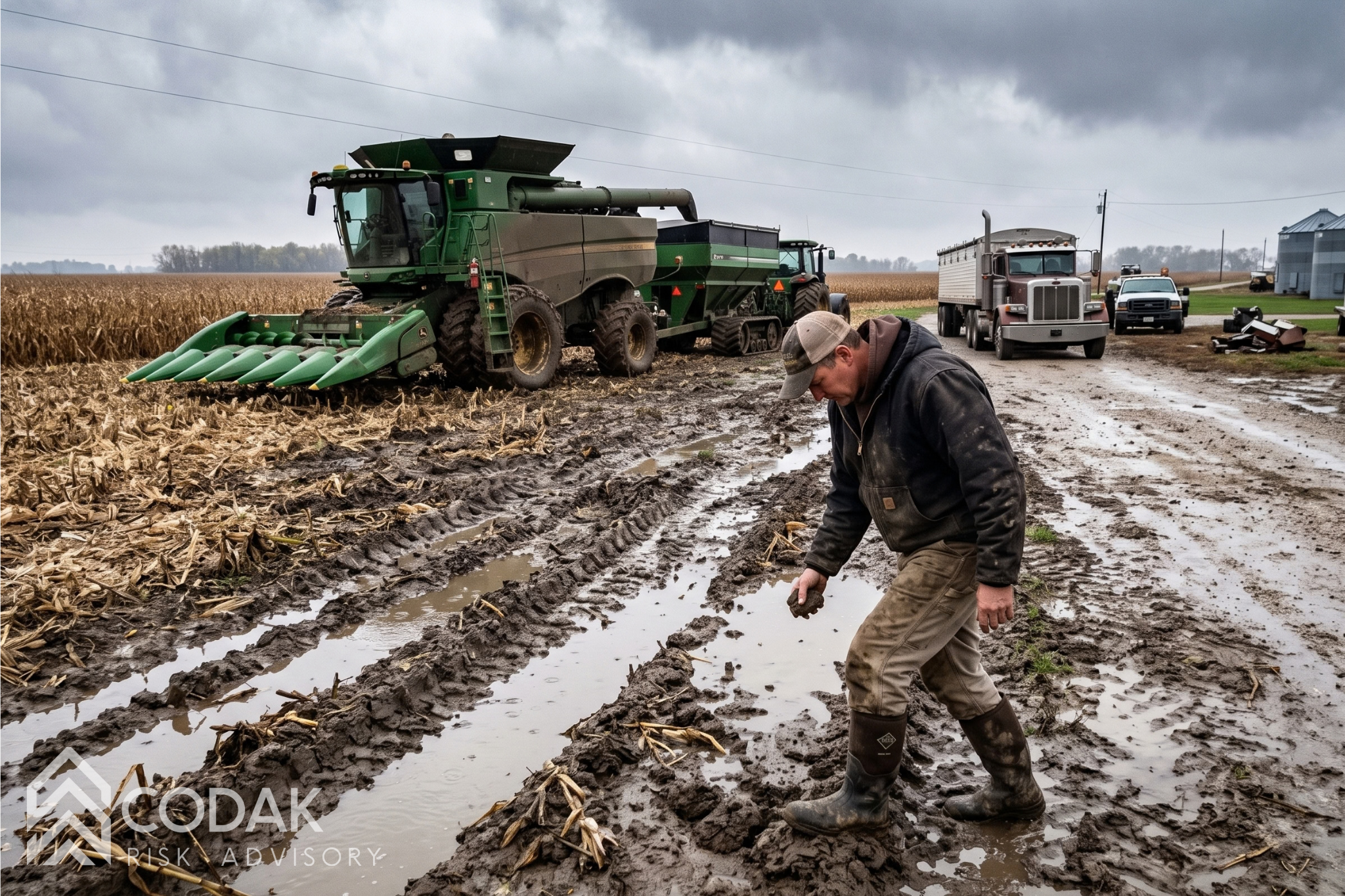
A stubborn wet pattern across the Western Corn Belt and upper Midwest through late September completely sidelined combines. Saturated soils and localized flooding stopped progress entirely, pushing this year's harvest well behind the usual five-year pace.
Monday's USDA Crop Progress report put hard numbers to the delay:
Corn Harvested: 23% complete, lagging trade expectations and the five-year average of 27%.
Soybean Harvested: 25% complete, sitting at a sharp deficit against the five-year average of 33%.
While a high-pressure system is finally bringing drier, warmer weather to the Midwest this week, the slowdown has choked off the usual early-October harvest pressure, giving cash markets some unexpected near-term support.
Ratings Slide to Season Lows
Late-season rain anomalies, following dry stress during critical filling windows, have clearly dinged crop quality. Monday’s crop ratings took an unusual October tumble, fueling the debate over whether the USDA will cut its national yield estimates on Friday.

Corn Ratings
Dropped 3 percentage points to 54% good-to-excellent—the lowest level of the entire 2026 growing season.

Soybean Ratings
Slipped 1 percentage point to 57% good-to-excellent, reflecting pod-shattering and mold risks from the heavy rain.
Corn: Larger Carryout vs. Potential Yield Cuts
For corn, the big question is how the USDA balances a massive old-crop carryover against a potentially shrinking new crop.
The September 30 Grain Stocks report caught the trade off guard by finding 2.095 billion bushels of old corn in storage—173 million bushels more than expected. These extra bushels give the balance sheet a massive cushion. Even if the USDA trims its current 178.5 BPA yield projection on Friday to account for the poor crop ratings, the old-crop surplus should absorb the hit without triggering a major market rally.
Soybeans: Strong Domestic Crush vs. Harvest Logistics
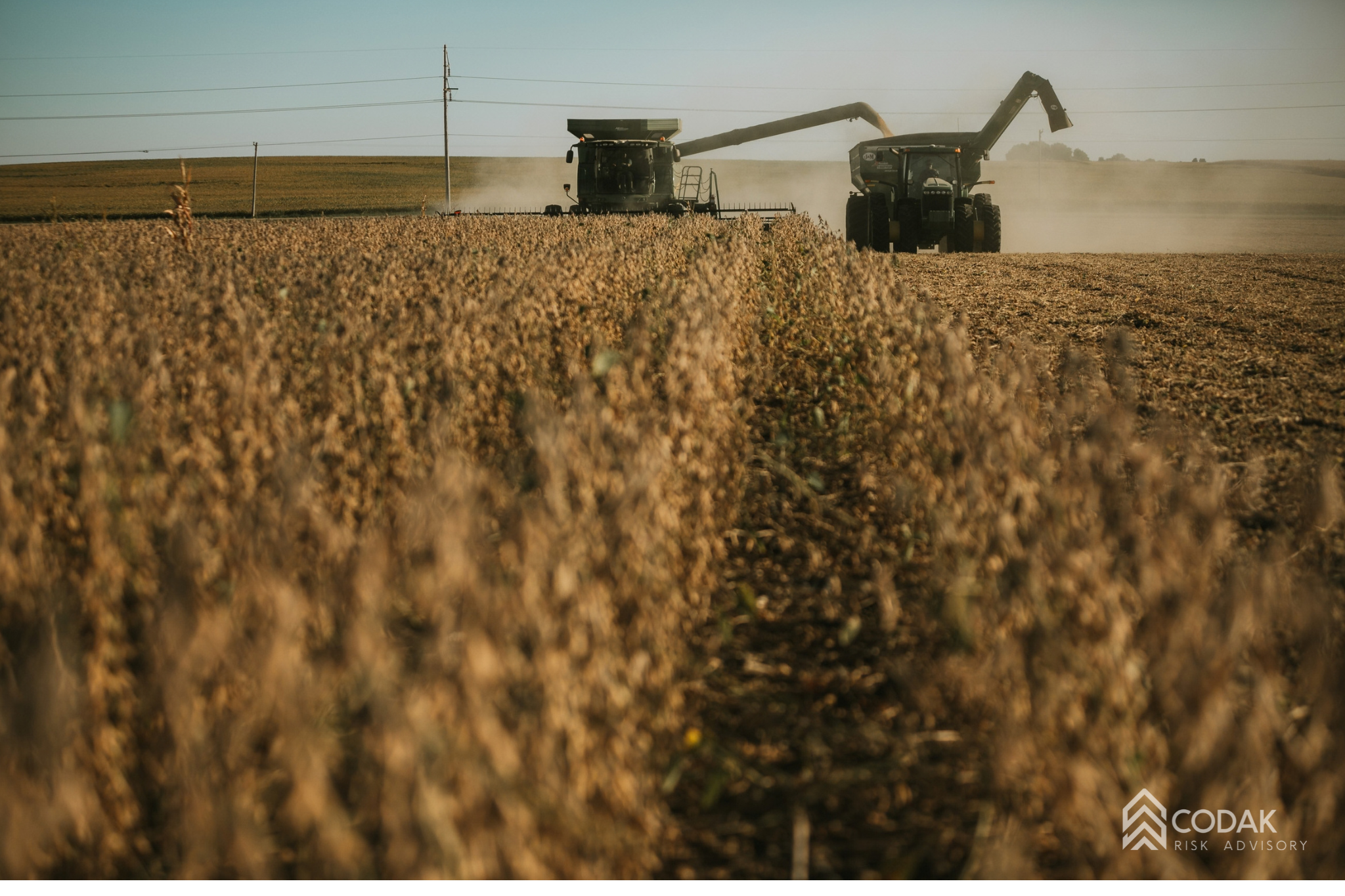
The soybean complex remains incredibly sensitive to any field losses because old-crop carryover is already thin.
Before the rains hit, early harvest data from states like Nebraska and Minnesota actually showed strong yields, so the trade expects the USDA to stay close to its September benchmark of 52.8 BPA. However, domestic demand is booming because biofuel margins are high. With September ending stocks already tight at 315 million bushels, any actual weather damage to the remaining crop will immediately pressure the balance sheet.
Wheat: Small Adjustments and Export Headwinds
With the winter wheat harvest in the rearview mirror, this report will mostly fine-tune demand and factor in the recent Small Grains Summary.
Analysts expect a slight upward tweak to total U.S. production, from 1.531 billion bushels to 1.534 billion bushels. The real drag on wheat continues to be sluggish exports. Commitments for the 2026/27 marketing year are tracking at just 46%, behind the five-year average of 50%. Watch to see if the USDA cuts its 775-million-bushel export target, which would push domestic ending stocks higher.
Key Areas to Watch on Friday
When the data is released, focus on three things:
U.S. Corn Yield: Does the USDA cut yields below 178.5 BPA to reflect the season-low ratings?
U.S. Soybean Ending Stocks: Do harvest delays and heavy crushing margins force a tighter ending stocks number?
South American Weather: Watch for early tweaks to Brazilian acreage as their planting gets underway under close weather scrutiny.

Kyle Adams
Crop Insurance Expert | Marketing Advisor, Eastern Corn Belt
With more than a decade of experience as a crop insurance agent, Kyle integrates our marketing strategies with crop insurance products to maximize both sets of tools, creating a well-rounded risk management program for our clients.
Connect with Kyle