
What Are the Funds Doing in Corn and Soybeans Right Now?

"What are the funds doing?" It's a fair question because large speculative funds can move markets quickly. But understanding what they're doing—and what it means for your operation—is two different things.
Who Are "The Funds"?
When we talk about funds, we're usually referring to managed money: hedge funds, commodity funds, and algorithmic traders that buy and sell futures contracts strictly to make money. Unlike farmers, elevators, or ethanol plants, they have no physical grain to sell or buy. Their goal is simply to profit from price movement.
Because they aren't hedging grain ownership, they tend to react quickly to changing market conditions, weather forecasts, and technical chart signals. In many cases, they can accelerate trends that are already underway.
What Are They Doing Today?
The story over the past few months has been a shift away from aggressive grain ownership. Earlier this year, funds built sizable long positions in agricultural markets, but recent CFTC data shows they have been reducing those positions as weather concerns eased and crop prospects improved.
The June 9th Commitment of Traders report showed corn managed money traders sold 120,407 corn contracts, which moved them from a net long to a net short position of 5,325 contracts. In soybeans, managed money sold 65,294 contracts but remains net long 90,756 contracts.
Just a few weeks ago, managed money held one of the larger net long positions this year. The sale of more than 120,000 corn contracts in a single week pushed funds from net long to net short, representing a dramatic shift in market sentiment over a short period.
To put that move into perspective,120,000 corn contracts represent approximately 600 million bushels of futures exposure. This highlights just how much buying or selling pressure can enter or exit the market when large speculative funds change their outlook.
Why Farmers Should Care
Many producers make the mistake of treating fund activity as a prediction. It isn't.
Funds don't know where corn or soybeans will trade six months from now. They are responding to information in real time. In many cases, they are trend followers rather than trend creators.
Think of them as a giant amplifier:
Bullish weather story → funds buy → rally accelerates.
Better weather forecast → funds sell → decline accelerates.
Surprise USDA report → funds react aggressively.
The underlying story often starts with fundamentals, but the funds can make the move much larger than expected.
What could change fund sentiment?
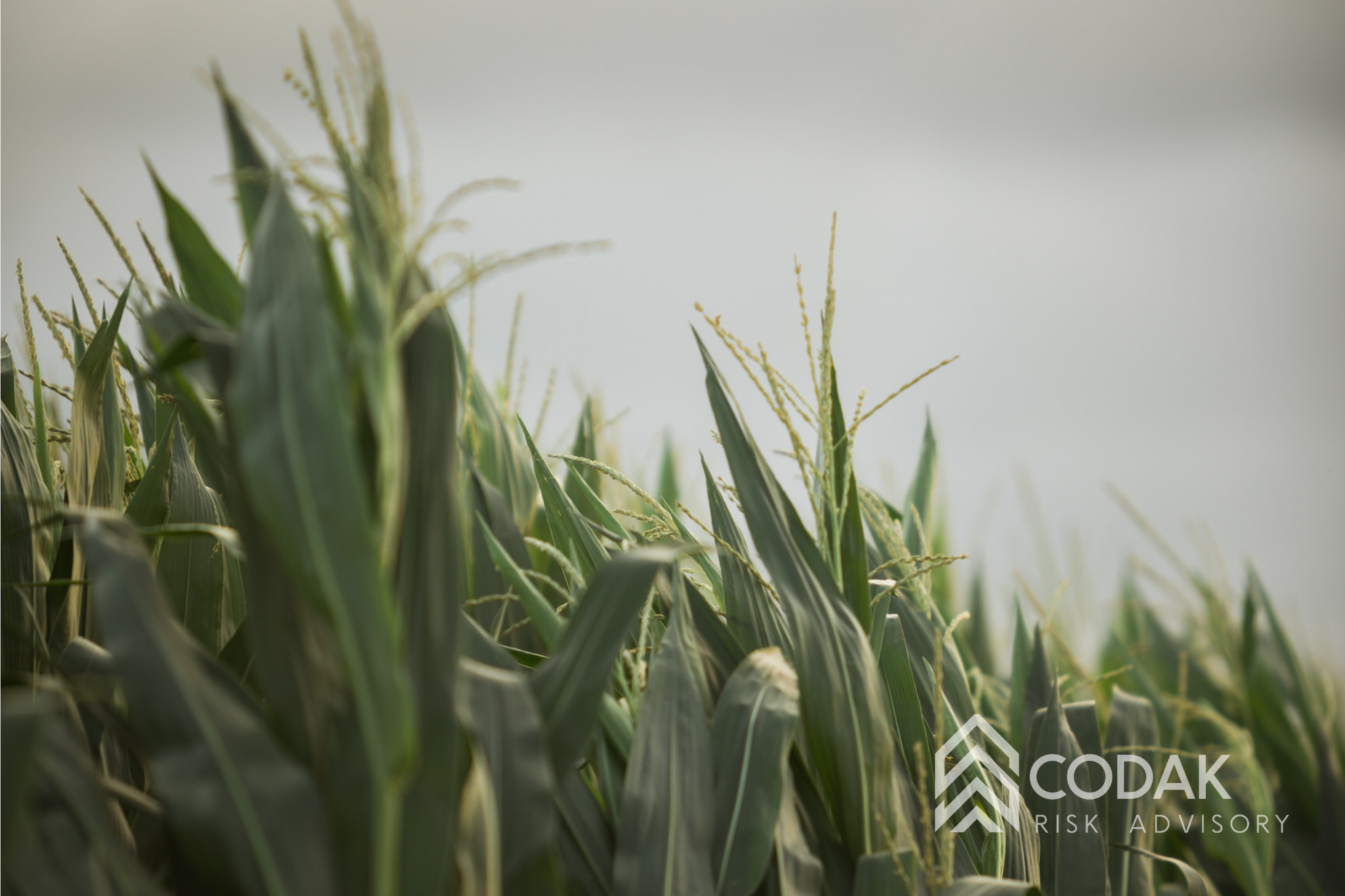
Weather during corn pollination remains one of the most important factors influencing fund sentiment and price direction. (Image from Real Ag Stock)
Several factors could quickly alter their outlook:
Weather threats during pollination in corn or pod-setting in soybeans.
Changes in export demand from major buyers such as China.
USDA acreage or yield revisions on the June 30th report
Broader economic conditions that influence commodity investment flows.
Because funds can move large amounts of capital quickly, even a subtle change in one of these factors can trigger substantial buying or selling activity.
When funds become heavily long, much of the buying power may already be in the market. Conversely, when they become heavily short, a weather scare or bullish surprise can trigger significant short-covering rallies. Historical CFTC positioning has shown that these extreme fund positions can act as contrarian signals.
The Marketing Takeaway
The goal isn't to predict every move the funds make.
The goal is to understand when their activity may be creating an opportunity.
If funds are aggressively buying, it may be an opportunity to reward the market with incremental sales.
If funds are aggressively selling, it may create ownership opportunities through futures or options for producers who have already priced grain.

Caylee Lair
Market Advisor, Midwest
With 7.5 years of experience in the grain elevator industry, Caylee has a strong foundation in grain merchandising and marketing. She is passionate about helping producers make confident, informed marketing decisions that support their long-term success.
Connect with Caylee