
The Most Overlooked Risk in 2026: Marketing Decisions Made Without Knowing True Breakeven
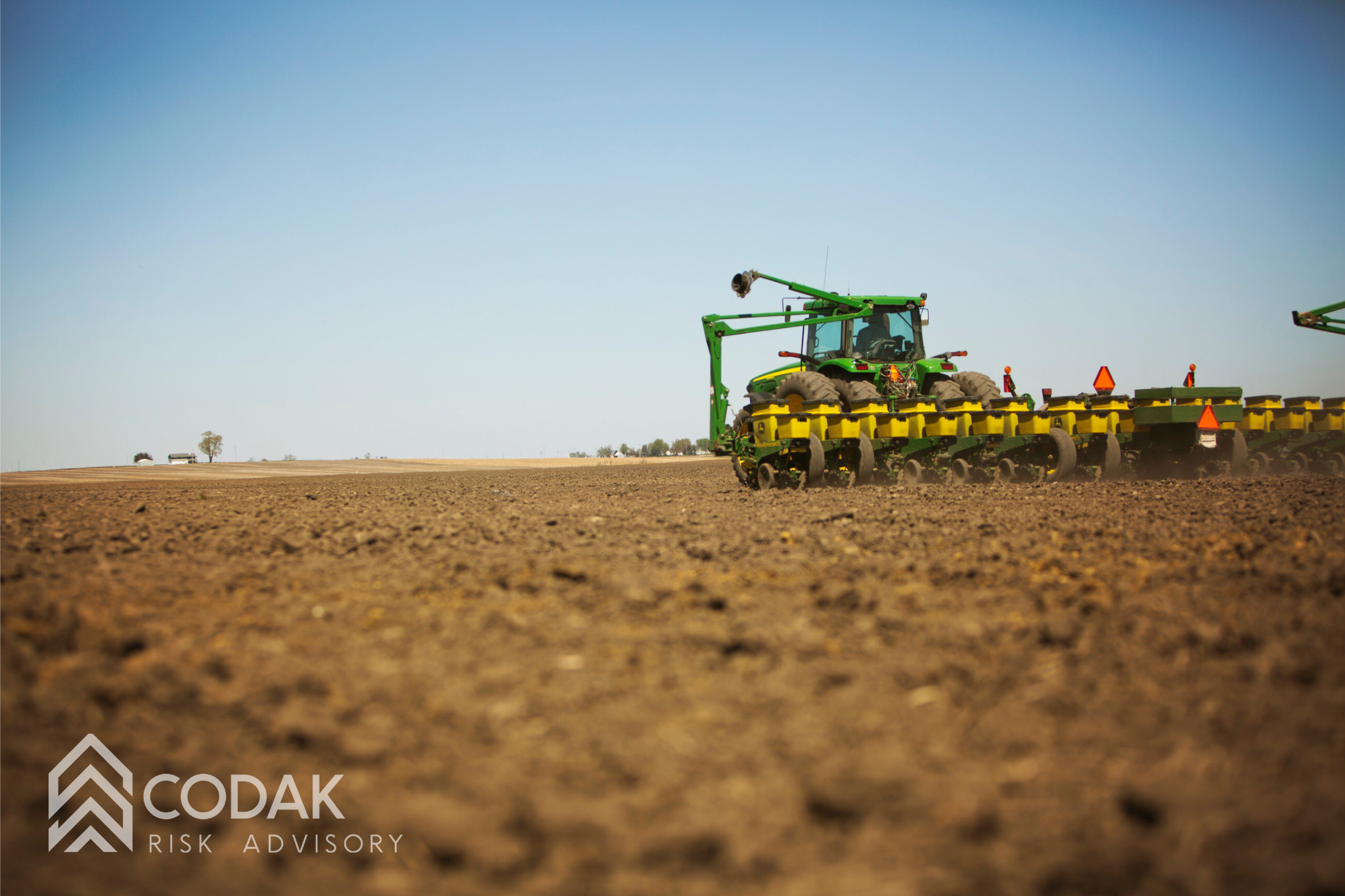
Image from Real Ag Stock
Every year, producers talk about the same risks:
Weather
Demand
Politics
USDA reports
All those matter, but the most overlooked risk heading into 2026 isn’t any of them.
It’s making marketing decisions without knowing your true breakeven.
Not the number you glanced at last winter.
Not what your neighbor says he needs.
Not what “feels profitable” based on past years.
Your actual, updated cost of production mapped to realistic yield expectations and tied directly to today’s price levels.
Breakeven Isn’t an Accounting Exercise—it’s a Decision Filter
Too many producers treat breakeven like a spreadsheet exercise, something that gets revisited once a year and then forgotten.
But breakeven isn’t about record keeping.
It’s about decision-making.
When you don’t know your true breakeven:
Every price rally feels too small
Every pullback feels threatening
Every marketing decision becomes emotional
Markets don’t punish farmers for being wrong on price.
They punish farmers for not knowing where risk begins.
The Hidden Cost of “Waiting for Higher Prices”
This is where breakeven risk quietly becomes financial risk.
Producers often say:
“I’m waiting for better prices.”
But without knowing breakeven, you don’t know:
Whether prices are already profitable
How much downside can you withstand
How long can you afford to wait
How much production should you have priced
Waiting without a clearly defined breakeven isn’t patience.
It’s speculation—with operating capital on the line.
Markets don’t owe anyone a chance to become profitable after losses pile up.
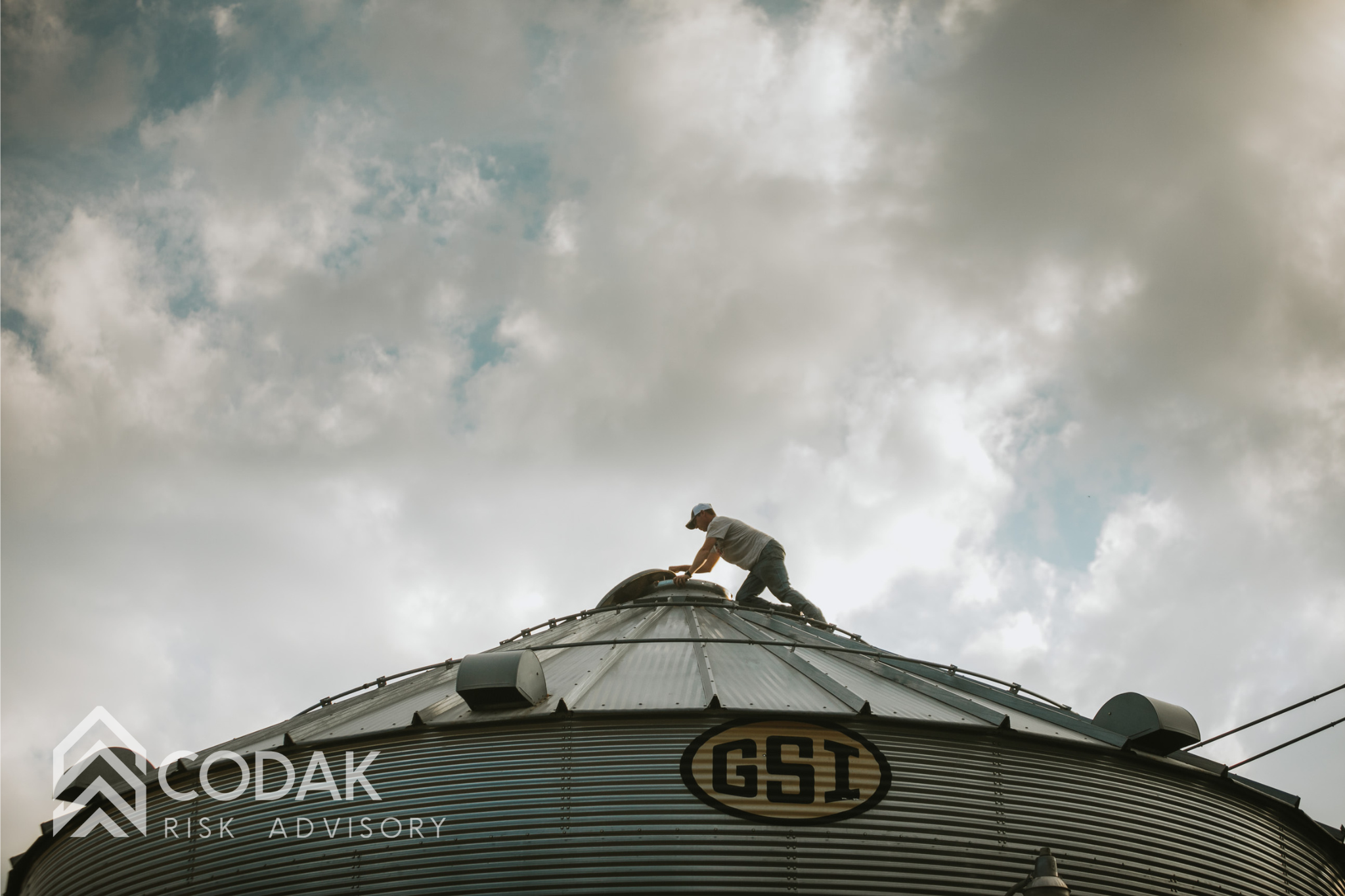
Image from Real Ag Stock
Breakeven Turns Volatility into Opportunity
Volatility isn’t inherently dangerous.
Undefined risk is.
When you know your breakeven:
You recognize profitable prices when the market offers them
You don’t freeze during rallies waiting for perfection
You don’t panic during pullbacks
You size positions based on reality, not hope
Breakeven doesn’t tell you what the market will do.
It tells you what you need the market to do, and what it doesn’t have to do for you to survive.
That distinction separates disciplined marketers from reactive ones.
Why “Above Breakeven” Isn’t the Finish Line
One of the most common mistakes we see is assuming:
“As long as I’m above breakeven, I’m good.”
Not quite.
Breakeven is the starting point, not the goal.
Risk still exists above breakeven:
Storage costs
Basis deterioration
Opportunity costs
Time value of money
Downside exposure on unpriced bushels
Knowing your breakeven allows you to define layers of profit, not just survival.
Without it, pricing becomes binary. An all-or-nothing thinking in a market that rewards incremental decisions.
The Real Risk in 2026 Isn’t the Market
The biggest threat to farm profitability this year isn’t USDA reports or global headlines.
It’s making:
Holding decisions without understanding the downside
Sales decisions without knowing the margin
Hedge decisions without defining risk tolerance
Marketing without breakeven is gambling with a better vocabulary.
And in tighter margin environments, the penalty for guessing is much steeper than it was during boom years.
Final Thought
Markets will do what markets do.
They’ll rally, pull back, and frustrate everyone along the way.
The real question for 2026 isn’t: “Where do prices go?”
It’s: “At what price does my operation transition from risk to reward?”
Until that’s clearly defined, every marketing decision carries more risk than it should.

Ben Nuss
Market Strategist Assistant
With experience in grain buying and seed sales, Ben supports the CODAK team by aligning market strategies with farmer needs. As a market strategist assistant, he puts farmers first through practical, data-driven insights.
Connect with Ben