
Geopolitics vs. Fundamentals: What’s Really Driving the Grain Market?
Grain markets are being pulled in two directions. Geopolitical tensions are adding a risk premium, but the underlying supply-and-demand picture will determine how long it lasts.
There is no shortage of headlines in the grain market right now.
Black Sea export infrastructure is under attack, trade relationships remain uncertain, and global buyers are watching closely. All of this is adding volatility to a market that was already trying to sort through crop size, demand and the approaching U.S. harvest.
For producers, it is important to separate the headline from the underlying market.
Wheat Has the Biggest Geopolitical Story
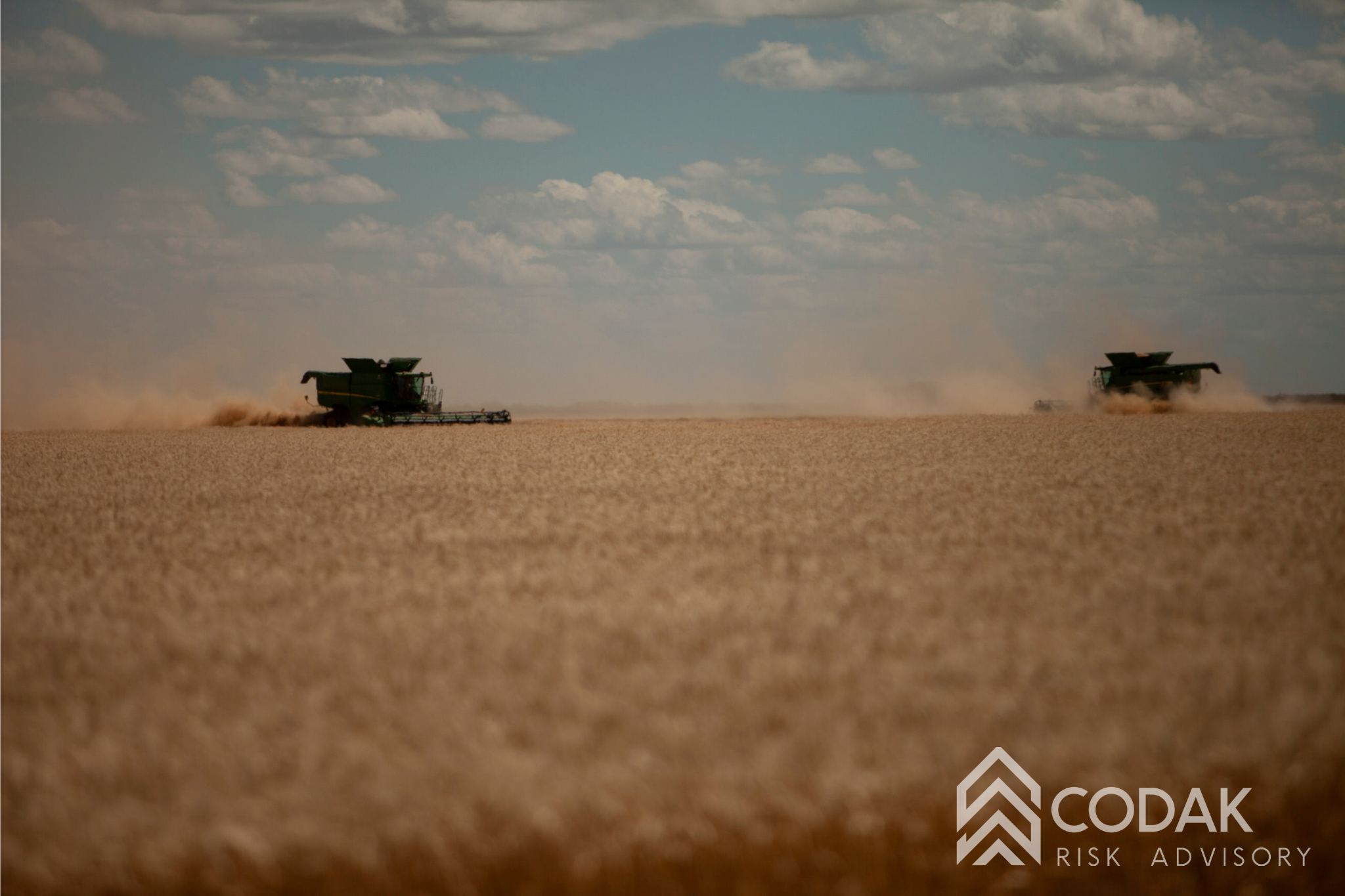
Russia and Ukraine remain major players in global wheat exports, and the Black Sea is a critical export corridor. Recent attacks on Ukrainian port infrastructure have raised concerns about how much grain can move and at what cost.
The market has responded with higher wheat prices as traders build a risk premium into the market.
But there is a difference between a potential disruption and an actual loss of supply.
If grain continues to move through alternative ports and transportation routes, some of that risk premium can fade. We have seen that happen before. Markets can rally quickly on a headline, only to turn their attention back to available supplies and demand.
For wheat, the actual flow of grain will ultimately matter more than any single attack or headline.
Corn and Soybeans Are a Different Story
Corn and soybeans have a different fundamental setup.
The market is still working to determine the size of the U.S. crop, and harvest will provide the first real look at how close current yield expectations are to reality.
Crop conditions are mixed across the country, but there is not yet a clear indication of a major national production problem. As combines start rolling, actual yield reports will carry more weight than early-season estimates.
That transition from potential yield to actual bushels is important.
If the U.S. produces a large crop and demand remains steady, it will be difficult for geopolitical headlines alone to support significantly higher prices for an extended period.
If yields fall short of expectations while demand improves, the market has a much stronger fundamental reason to move higher.
Risk Premiums Can Come and Go
Commodity markets don't wait for a supply disruption to actually happen. They price the possibility of one.
An attack on a port doesn't immediately remove millions of bushels from the world balance sheet. It does create uncertainty around freight, logistics, export commitments and replacement supplies.
The futures market puts a value on that uncertainty.
The challenge is that risk premiums can disappear just as quickly as they appear. If ships keep moving, alternative supplies remain available and buyers aren't willing to chase higher prices, the market eventually returns to the fundamentals.
That is why a geopolitical rally deserves attention, but it shouldn't automatically be viewed as the start of a new bull market.
Demand Still Matters
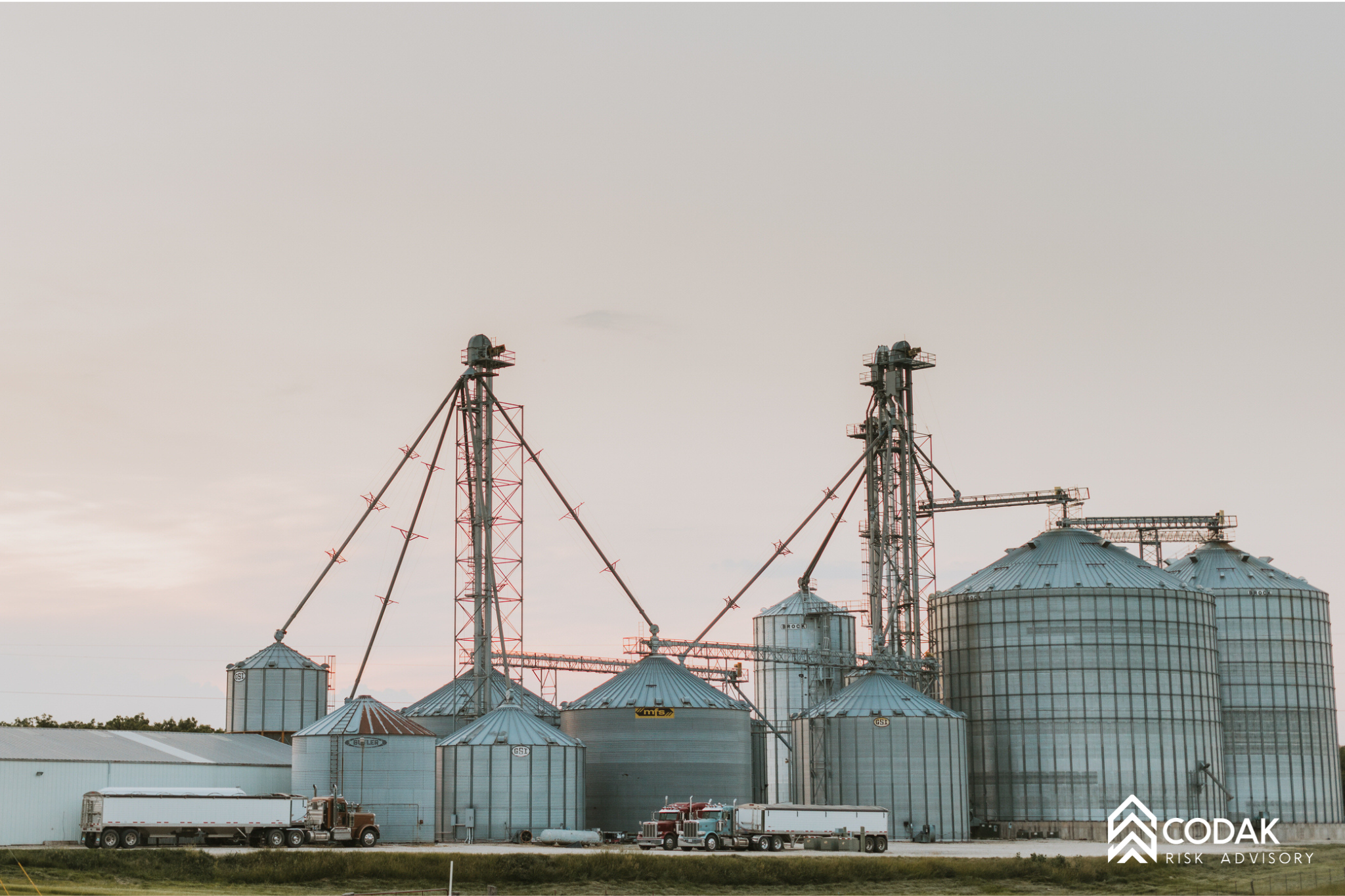
For corn and soybeans, demand remains one of the most important pieces of the market.
China is particularly important for soybeans. Chinese crop conditions, import needs and U.S.-China trade relations can all influence how aggressively buyers participate in the market.
Corn demand is tied closely to ethanol, livestock feeding and exports.
Stronger demand combined with disappointing yields would give the market a much better foundation for higher prices. Comfortable supplies and slower demand would make it harder for a headline-driven rally to hold.
What It Means for Producers
Right now, I wouldn't ignore geopolitics, but I also wouldn't let it overshadow the fundamentals.
As we move into harvest, the market will get better information on crop size. Export demand will be tested, buyers will show their hands and ending-stock expectations will become clearer.
That is when we'll get a better idea of how much staying power these rallies have.
For producers, the opportunity is in recognizing the difference between a headline-driven rally and a fundamentally supported market. A geopolitical spike can create a good pricing opportunity, even if it doesn't turn into a long-term bull market.
For now, the market is willing to pay something for uncertainty.
Eventually, though, the grain market must trade bushels—not headlines.

Kyle Adams
Crop Insurance Expert | Marketing Advisor, Eastern Corn Belt
With more than a decade of experience as a crop insurance agent, Kyle integrates our marketing strategies with crop insurance products to maximize both sets of tools, creating a well-rounded risk management program for our clients.
Connect with Kyle