
May WASDE: USDA Draws the Lines, Weather Takes Over
May WASDE report didn’t deliver fireworks, but it did something just as important: it locked in USDA’s starting assumptions for the 2026 crop year. From here, the market will spend the next several months testing just how realistic those assumptions are.
This report serves as the first full balance sheet to look at new crop, while making only small tweaks to old crop. The takeaway is straightforward: supplies are adequate on paper, but confidence remains fragile.
Corn: Comfortable, if yields cooperate

Image from Real Ag Stock
USDA pegged 2026/27 corn ending stocks at 1.96 billion bushels, assuming production near 16.0 billion bushels on roughly 95.3 million planted acres. Old-crop (2025/26) ending stocks were nudged slightly higher to 2.14 billion bushels, versus 2.127 billion last month, largely in line with trade expectations. That leaves corn with a comfortable cushion on paper, but one that still depends on a large crop getting made.
There’s nothing tight about this balance sheet, but it relies heavily on trendline yields. Any meaningful weather disruption would quickly force a reassessment.
Soybeans: Still the Tightest Balance Sheet
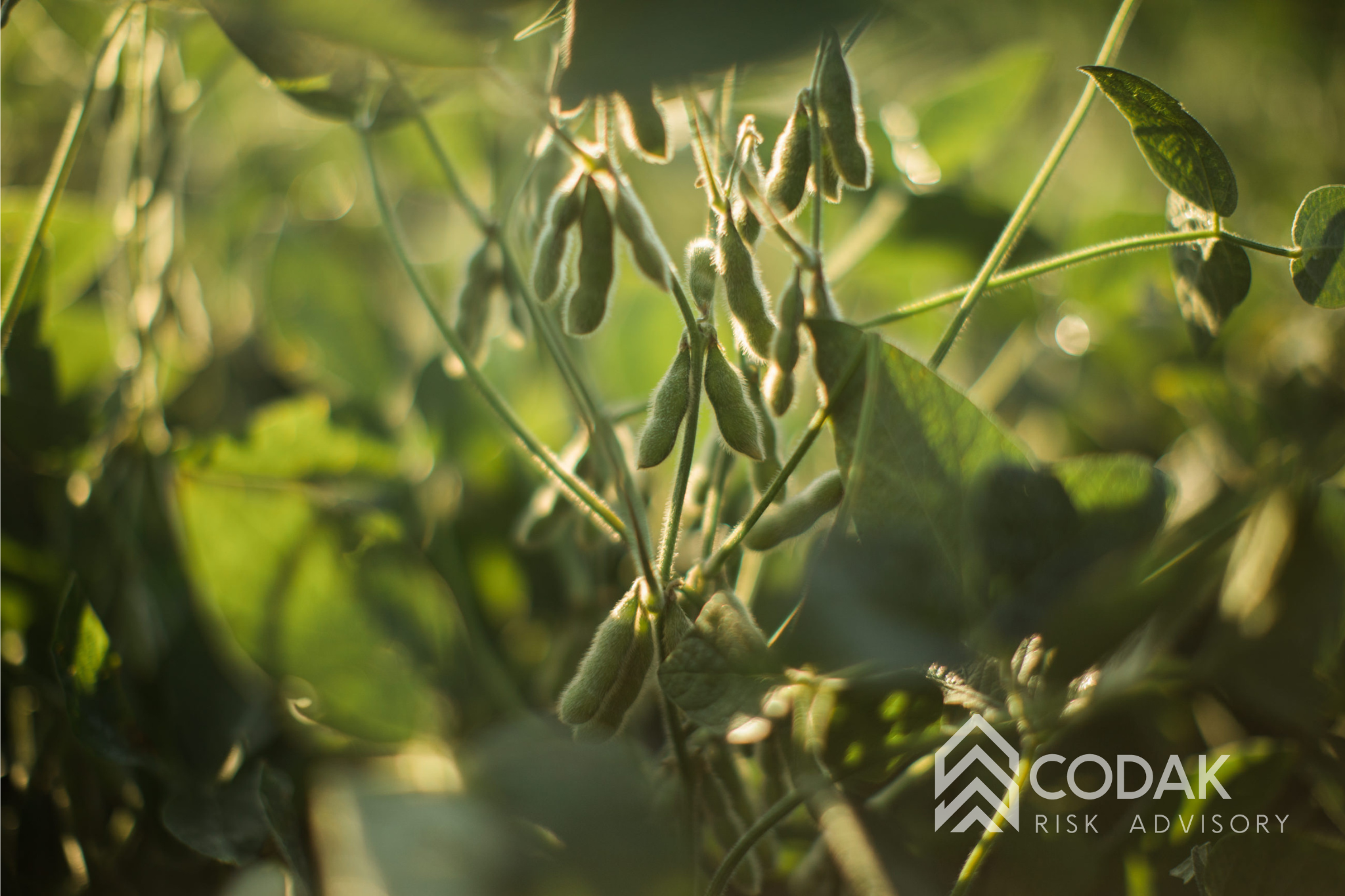
Image from Real Ag Stock
Soybeans continue to carry the most underlying risk. Old-crop ending stocks were cut to 340 million bushels from 350 million last month, while 2026/27 carryout was projected near 310 million bushels despite planted acres rising to 84.7 million. The tighter setup reflects a balance sheet still leaning heavily on strong domestic crashes and limited room for production or demand surprises.
Strong domestic crush remains the backbone of the soybean balance sheet. With little excess supply built in, beans are more sensitive than corn to weather or demand shifts.
Wheat: Heavy Supply Limits Upside

Image from Real Ag Stock
Wheat remains in the heaviest market. Old-crop ending stocks sit near 935 million bushels, down slightly from 938 million last month, with new-crop stocks projected at 762 million bushels.
Even with the year-over-year decline in carryout, inventories remain historically comfortable, and ample global supplies continue to limit upside unless weather problems intensify in a meaningful way.
Bottom Line
This WASDE set the baseline.
Overall, the May WASDE did not signal a major shift in fundamentals but instead set USDA’s initial assumptions for the new crop year. Corn appears adequately supplied, assuming normal yields, soybeans remain relatively tight and demand driven, and wheat continues to carry heavy inventories despite occasional price rallies
From here, market attention will shift away from balance‑sheet modeling and toward real-world developments, namely weather, planting progress, and global trade flows. Volatility is likely to persist, not because of what the report showed, but because of how confident the market remains in USDA’s assumptions holding through the growing season.

Ben Nuss
Market Strategist Assistant
With experience in grain buying and seed sales, Ben supports the CODAK team by aligning market strategies with farmer needs. As a market strategist assistant, he puts farmers first through practical, data-driven insights.
Connect with Ben