
A Short Crop Could Make Basis the Story in North Dakota
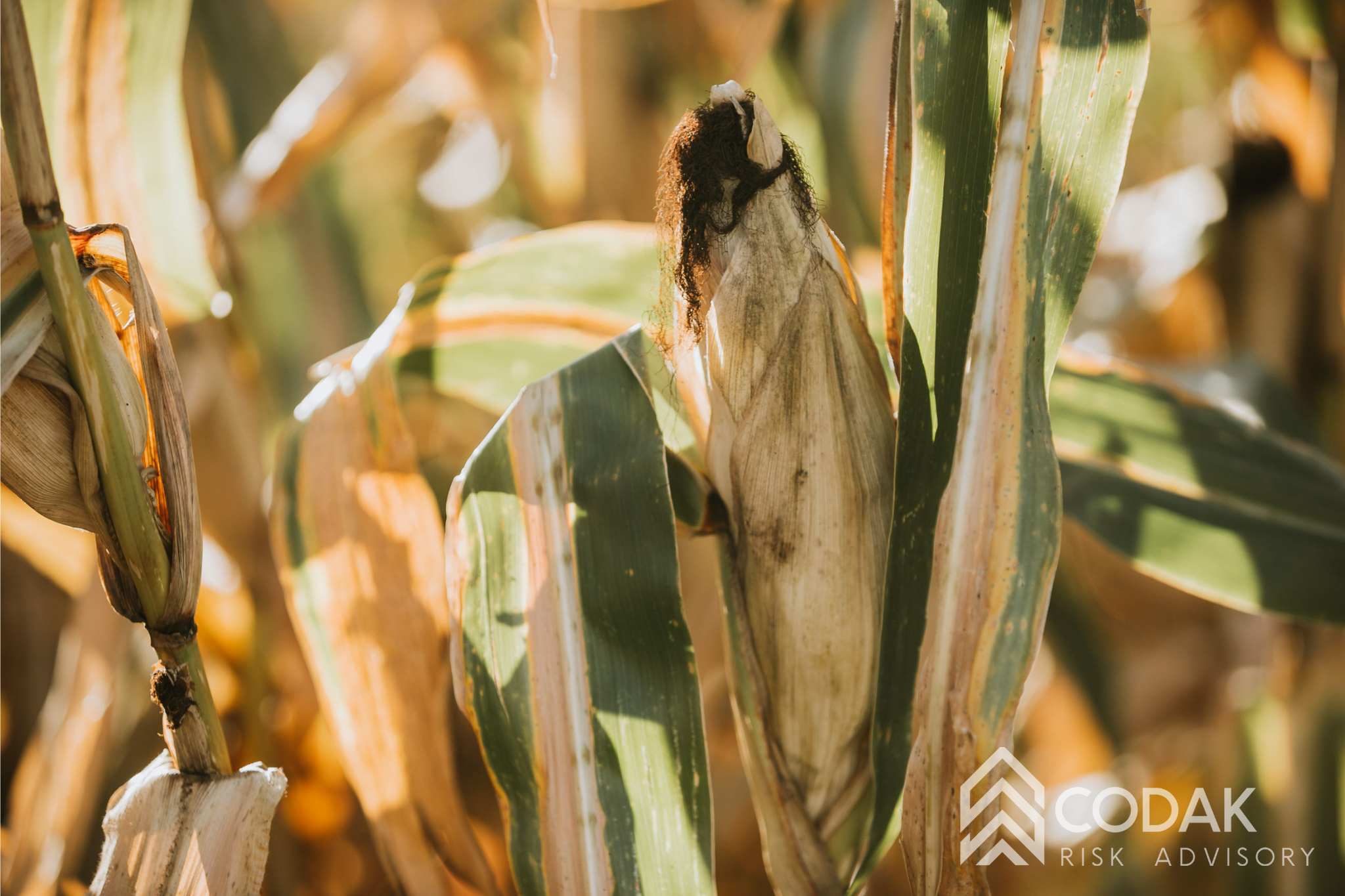
It’s nothing new at this point that North Dakota has seen a dry, hot summer, which has severely impacted crop size.
One of the first things everyone looks to and notices is futures prices. Historically, when we see significantly shorter crops, we tend to see higher prices as supply is lowered. Many times, with elevated futures prices, basis can be put off or forgotten about, as the end goal is a cash value the producer is happy with.
This year seems a tad different to me.
More Demand Competing for North Dakota Bushels
We have more end-user capacity than North Dakota has ever had, coupled with increased Chinese soybean purchases and a very strong corn export program.
North Dakota is also the closest state to the Pacific Northwest (PNW) that can deliver significant volumes of both corn and soybeans. That becomes important when PNW values are strong. It gives commercial elevators another outlet for grain and puts them in direct competition with local end users for North Dakota bushels.
With a shorter crop and more places competing for those bushels, basis deserves just as much attention as futures this year.
Soybean Basis Is Already Showing the Impact
Looking at the factors mentioned above, North Dakota is already seeing the impacts of the weather prior to harvest.
Crush demand has felt pressure from storm-damaged crops last year, and both crush facilities are showing some of the strongest harvest bids we have seen to date. We’re also seeing strong deferred bids in an attempt to capture soybeans that might otherwise go into storage or be shipped to the PNW.
The deferred bids may be just as interesting as what we’re seeing for harvest. If facilities are already trying to secure stored soybeans, producers should be comparing the carry in the market with the basis being offered for later delivery.
In some cases, basis could be doing more of the work than futures.
Corn Basis Has Strengthened, Too
Our seasoned ethanol plants are on the other end of the spectrum.
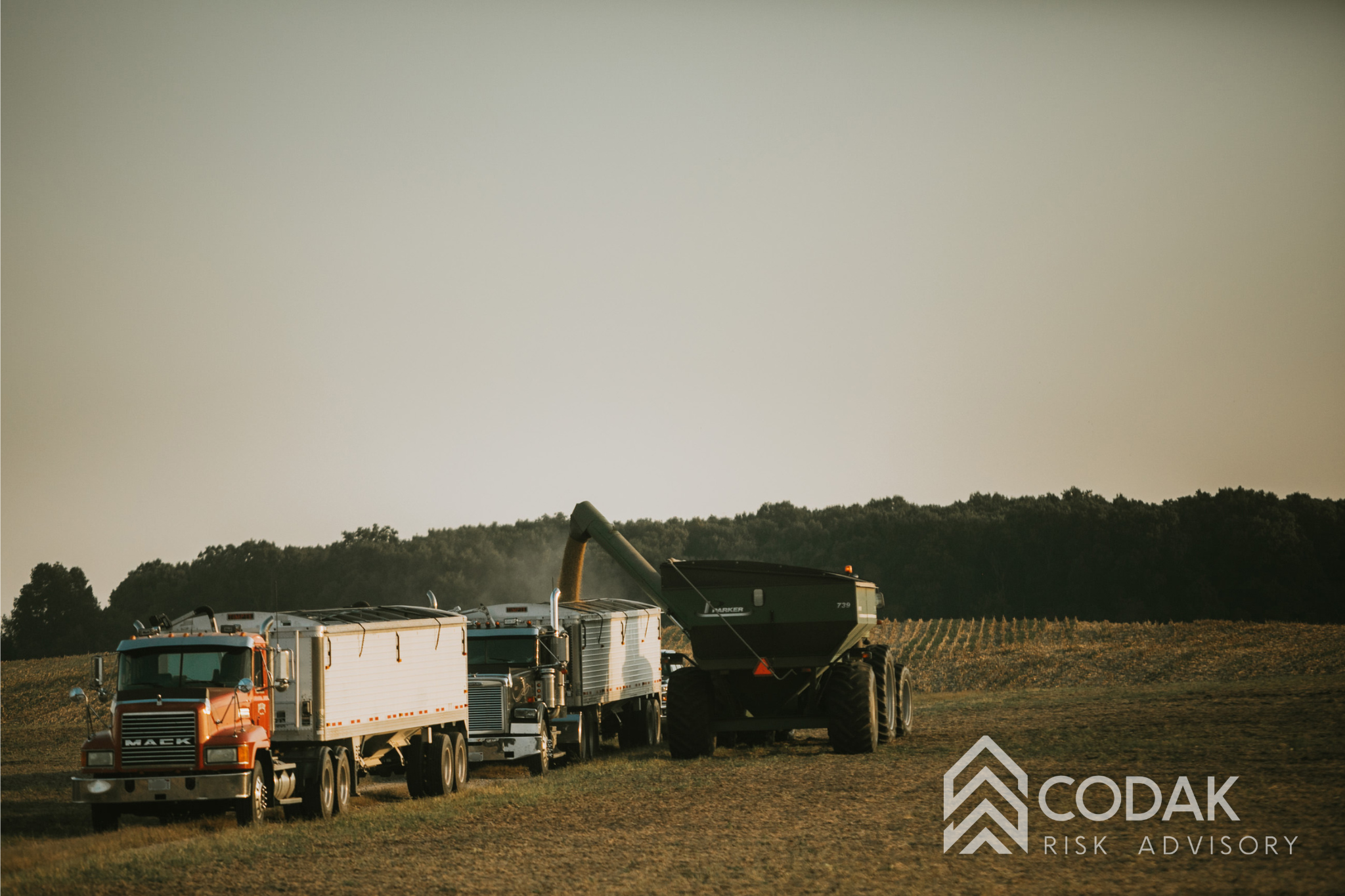
We came off a strong corn crop last year, and basis has been rather lackluster. Summer 2027 bids started in the -$0.40s. Today, with current crop conditions, we are seeing some bids posted as low as -$0.20 for the same time period.
That is a meaningful change, and something producers should keep an eye on as crop size becomes clearer and ethanol plants get a better idea of the bushels available to them.
Basis Movement Worth Watching
The change in summer 2027 corn bids gives us a good example of how quickly the basis environment can change.

Export Demand Adds Another Layer
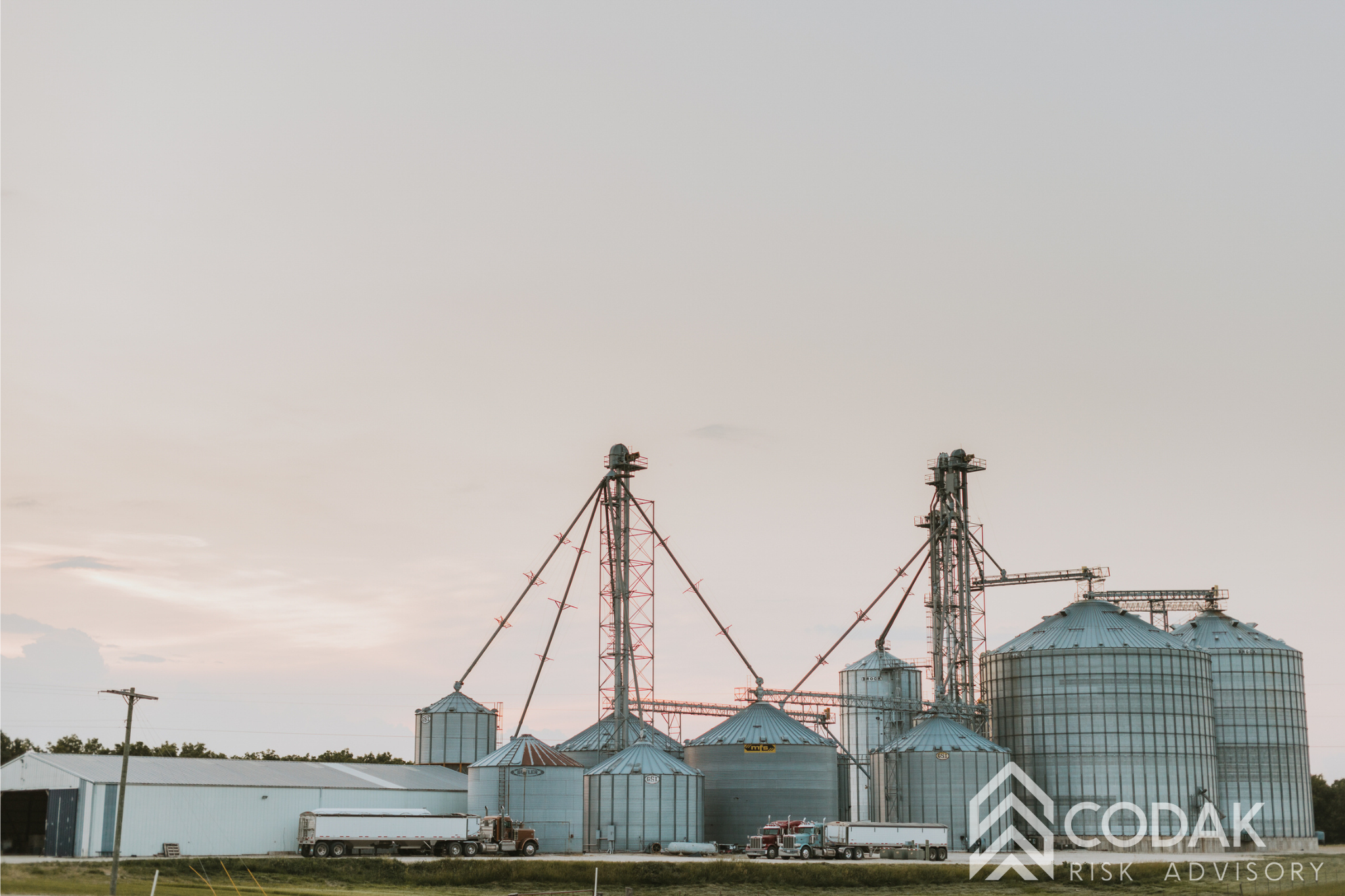
With commitments from China at roughly double the amount of soybeans compared with last year, we are also seeing strong PNW values. That has kept commercial elevators on par with crush facilities.
It’s looking like we could continue to see added pressure as new-crop purchases continue to be announced.
Corn announcements have been significantly slower than soybeans, as our largest purchaser hasn’t really ramped up at this time. However, we are still seeing historically strong basis levels.
That’s what makes this year interesting. Depending on location and delivery period, we have crush facilities, ethanol plants, commercial elevators, and the export market all competing for available bushels at a time when North Dakota may simply have fewer bushels to go around.
What Should Producers Be Watching?
As we get closer to harvest, I think it will be important to pay attention to more than just where futures are trading. With a shorter crop and several end users competing for bushels, basis could move independently of what we see on the board.
A few things I’ll be watching:
How aggressive crush facilities get through harvest. Strong harvest bids are already telling us they want ownership. The question is how long that competition lasts.
Whether PNW demand continues to support local bids. Continued soybean purchases could keep commercial elevators competitive with crush facilities.
How quickly ethanol plants need to step up. Corn basis has already improved from where some of those deferred bids started, and a smaller crop could change their needs as we move forward.
The difference between harvest and deferred basis. If end users are trying to secure stored bushels now, it’s worth comparing what they’re willing to pay across delivery periods.
Local crop size. North Dakota won’t have the same crop everywhere. Areas with the biggest production losses could see a much different basis environment than areas where yields hold up better.
Who is leading the market locally. If one buyer starts getting more aggressive, pay attention to whether others follow. That can tell us quite a bit about how badly the market wants ownership of those bushels.
Don’t Lose Sight of the Cash Price
The biggest thing is not to assume that higher futures automatically mean the best cash opportunity is in front of us.
Every operation is going to have a different yield, storage situation, and cash-flow need, so there isn’t one answer for everyone. The opportunity may not look the same for corn and soybeans, and it may not look the same from harvest to deferred delivery.
This looks like a year where simply watching the board may not tell the whole story.
Pay attention to what your local end users are telling you through their basis bids. Look at who needs grain, when they need it, and what they’re willing to pay to get ownership.
In a short-crop environment with this much demand competing for bushels, basis may end up being one of the more important pieces of the marketing puzzle.

Alex Andel
Basis and Freight | Market Advisor, Northern Plains
As our basis and freight expert, Alex assesses current market conditions and forecasts future scenarios. His keen insights create transparency in the cash market, resulting in significant returns for our clients.
Connect with Alex