
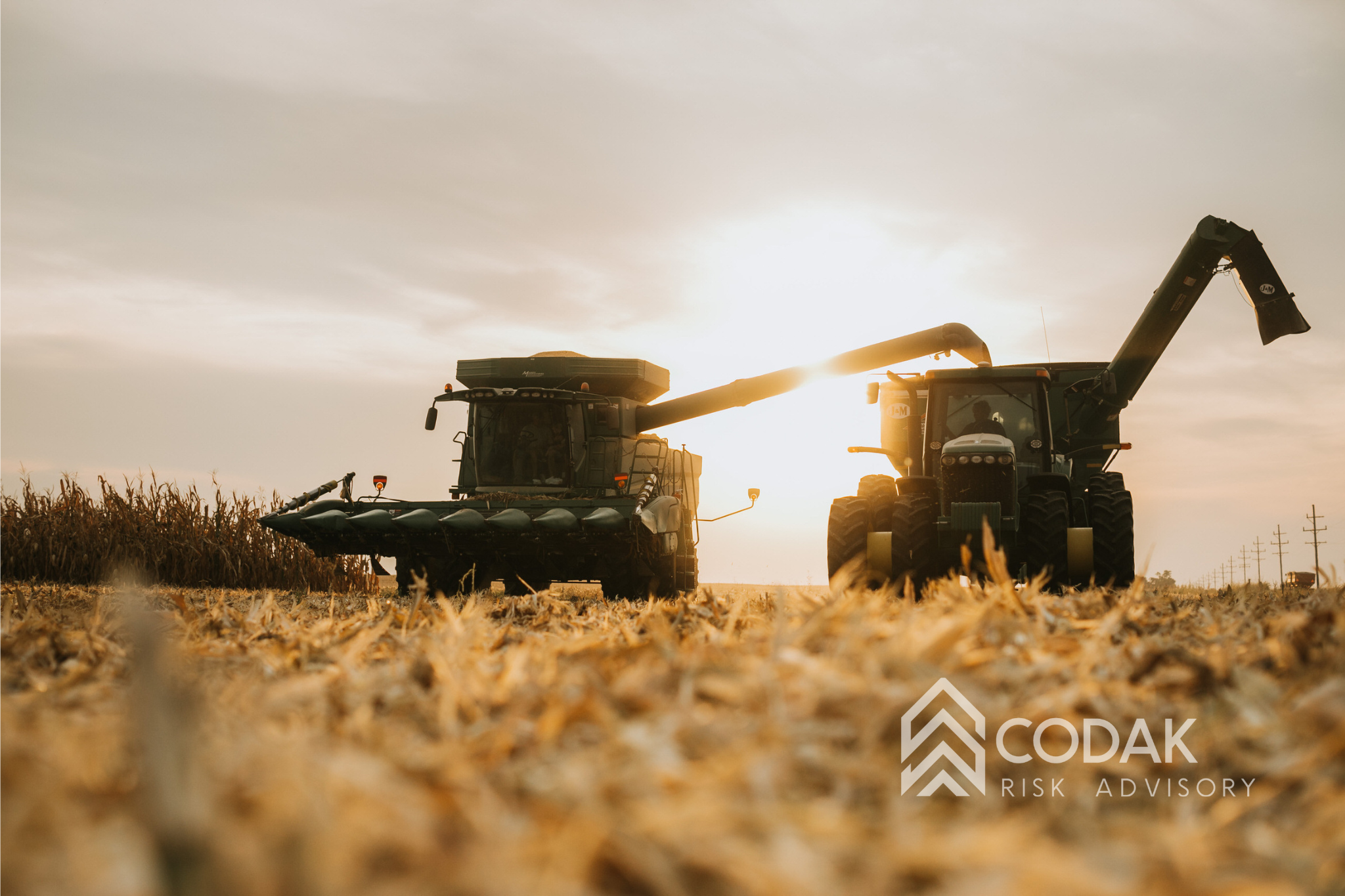
As we move into November, harvest is starting to wind down across much of the country. After months of watching weather, yields, and field conditions, farmers are beginning to shift their focus toward what comes next.
For the grain markets, this is an important time of year. Once harvest pressure starts to fade, the market begins looking for its next driver. The question is whether demand will be strong enough to work through the large amount of grain coming out of this year's crop, and what opportunities might develop as we move into the winter months.
So, now that harvest is almost behind us, what should farmers be watching?
1. The Market Is Shifting Its Focus from Harvest to Demand
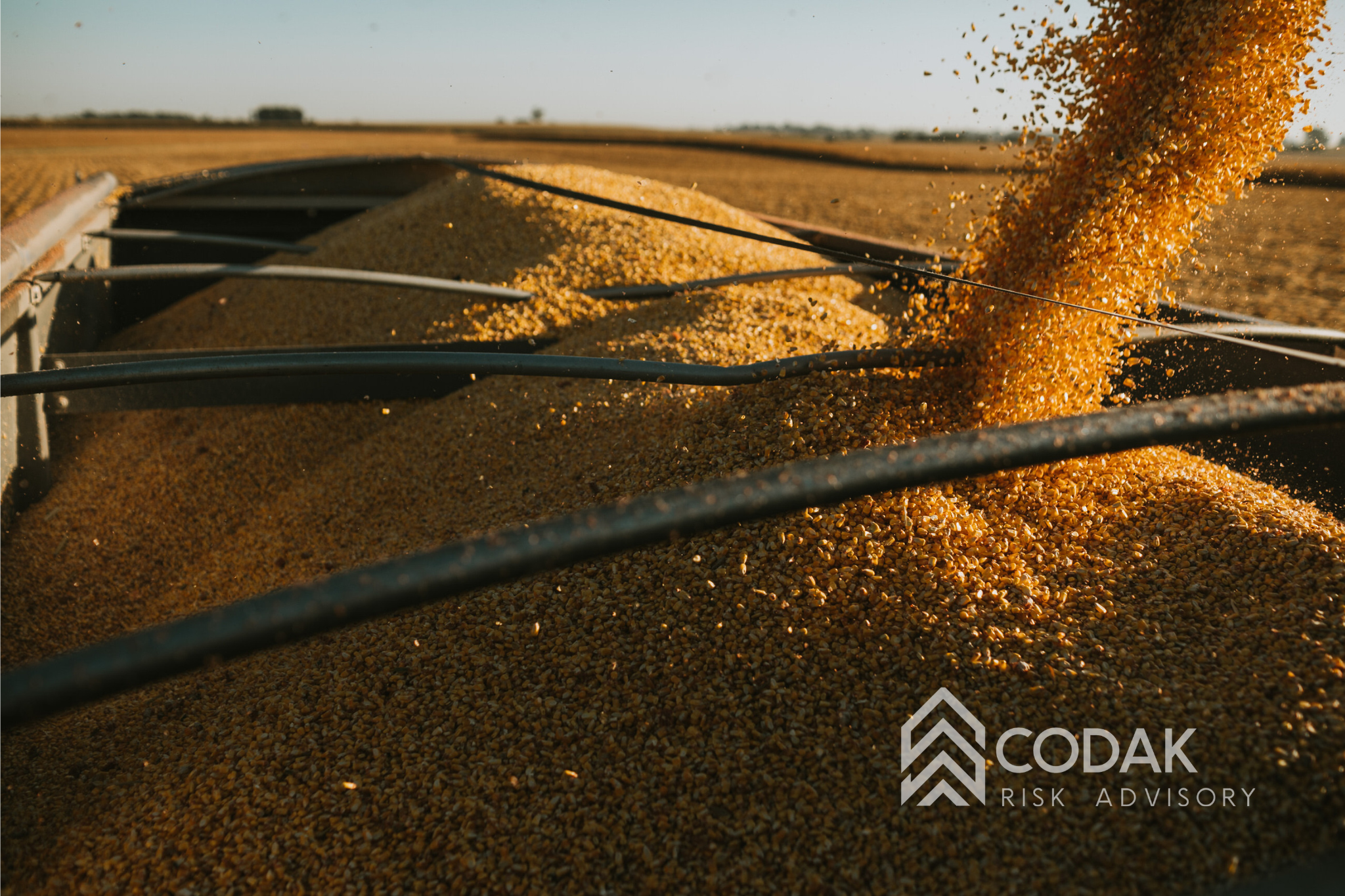
As of the November 2 USDA Crop Progress Report, corn harvest was 74% complete, while soybean harvest was 88% complete. As harvest moves toward the finish line, the market will gradually shift its attention away from harvest pressure and toward working through the supply we have available.
For corn, export demand will be especially important. The U.S. has a large crop to move, and we need to see stronger buying from countries like Mexico, Japan, and other major importers.
Ethanol production will also remain an important piece of domestic corn demand. The November 2nd monthly grind report showed corn ground for ethanol was way below estimates at 438 million bushels. This will need to turn around in the coming months to paint a better demand picture for corn.
Soybeans have a different story. China remains a major buyer, but Brazil is quickly becoming the competition we need to watch. As South American soybeans become available, the U.S. will have to compete for export business.
2. What Happens to Basis After Harvest?
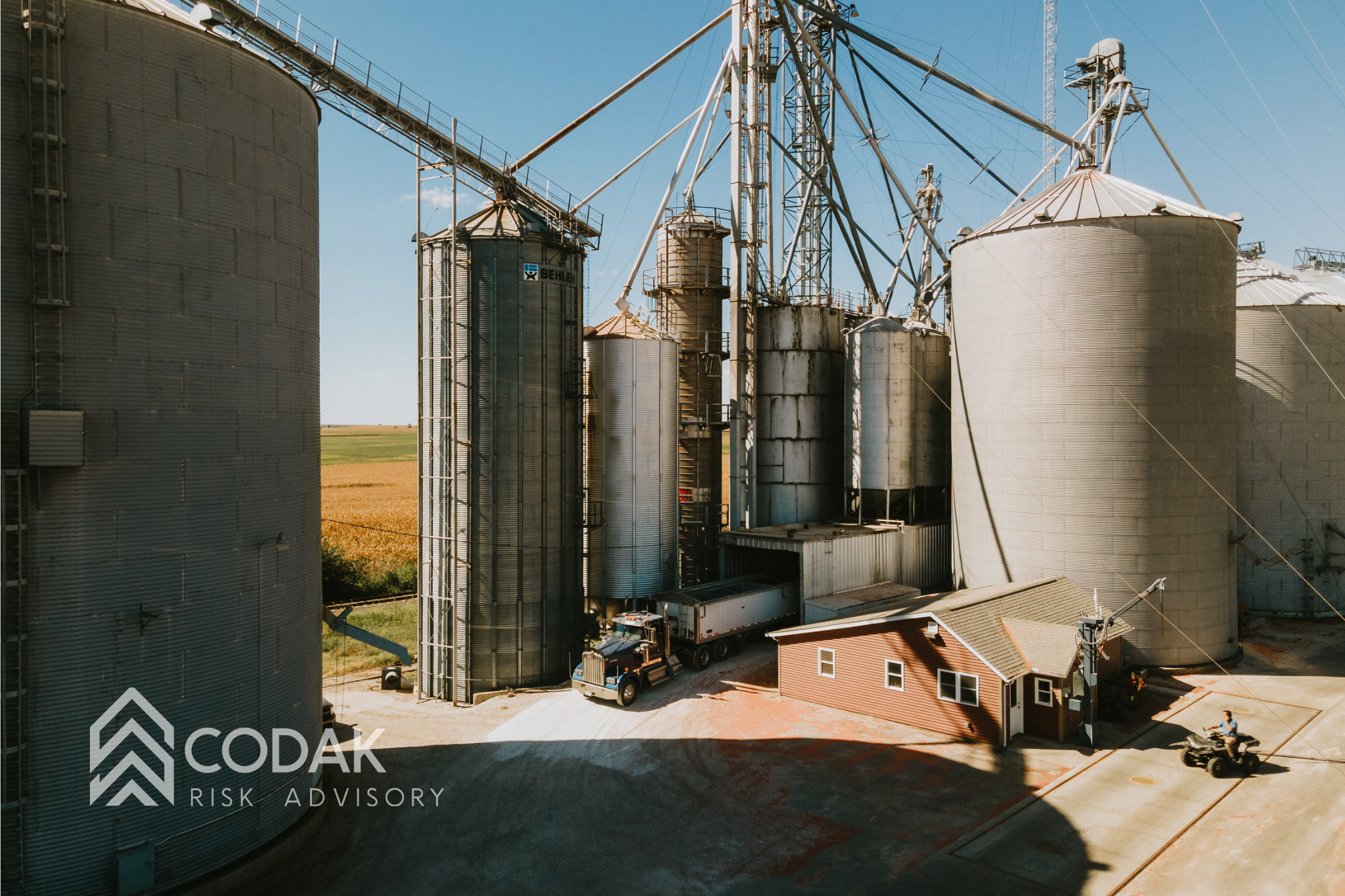
Basis tends to weaken during harvest as elevators and end users take in large amounts of grain. Once that supply slows down, local buyers may have to become more aggressive to attract additional bushels.
This is where we can sometimes see basis opportunities develop.
Ethanol plants, feed mills, river terminals, and other local buyers all have different needs throughout the year. Depending on their inventory and transportation needs, we could see some locations start offering better premiums to bring grain in.
However, stronger basis isn't guaranteed everywhere. It depends on local supply, storage capacity, transportation, and how much grain has already been delivered.
For farmers who can store grain, this is an important part of the marketing decision. A higher futures price isn't the only way to improve the price you receive. There’s also opportunity in basis.
3. South America Becomes the Next Big Story
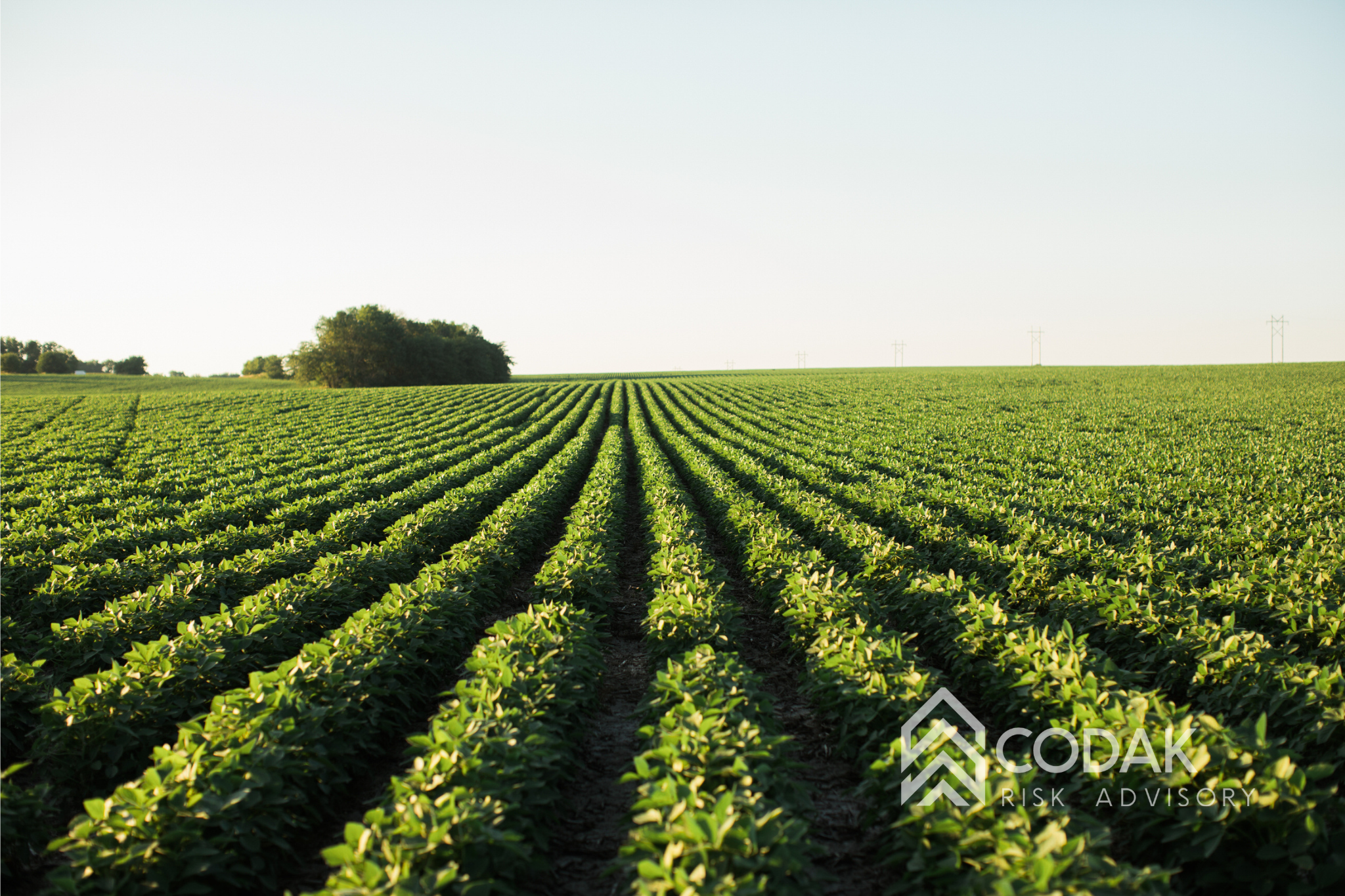
As we get further into November, the market's attention will start shifting toward South America.
Early planting progress in Brazil has been running ahead of average, and expectations are building for another potentially record soybean crop. That's something the market will have to keep in mind as we move through the winter.
The bigger the South American crop gets, the more competition the U.S. will face in the export market.
On the other hand, if dry conditions or other weather problems start developing, we could see some production concerns enter the market.
Corn will also be watching Brazil, particularly its second-crop corn production, which is a major part of its overall supply.
Even a little uncertainty surrounding South American production can give the market a reason to build some weather premium.
4. What Will the Funds Do Next?
Over the last several months, speculative funds have played a major role in the direction of the corn and soybean markets. As of October 27th, managed money was long 82k contracts of corn and nearly 200k contracts of soybeans.
As we move past harvest, the question becomes whether funds will continue to sell or start looking for opportunities to buy again.
If export demand improves, South American weather becomes a concern, or the market starts finding some bullish news, we could see funds become more interested in owning grain futures again.
A change in fund positioning can add fuel to a market rally, but we need to see a reason for that buying to develop.
5. What Should Farmers Do with Grain in the Bin?
For farmers who have stored grain or still have a significant amount of this year's crop unpriced, it's important to have a plan.
Storage costs, interest, insurance, and the opportunity cost of having money tied up in grain all need to be considered.
If you're storing grain, you need to know what price you need to achieve to justify holding it rather than selling it today.
The Bottom Line
The market is going to shift its focus toward export demand, South American weather, fund positioning, and how quickly we can work through the large amount of grain available.
There are still opportunities for both corn and soybeans to find some strength.
If you have grain in the bin, know your cost of holding it. If the market gives us an opportunity, be prepared to take advantage of it.

Caylee Lair
Market Advisor, Midwest
With 7.5 years of experience in the grain elevator industry, Caylee has a strong foundation in grain merchandising and marketing. She is passionate about helping producers make confident, informed marketing decisions that support their long-term success.
Connect with Caylee