
Supplemental Disaster Relief Program (SDRP) Stage 2: What Farmers Need to Know
Natural disasters wreaked havoc on farmers across the nation in 2023 and 2024, and in July, we shared several details about the Supplemental Disaster Relief Program (SDRP) and how to qualify. Stage 1 rolled out on July 10th, and overall, enrollment was straightforward. Producers who carried crop insurance during those crop years and received an indemnity were sent applications—either by mail or by stopping by their local FSA office.
Most Stage 1 applications required nothing more than checking a few boxes, confirming two things:
The losses were caused by a qualifying disaster, and
The producer agreed to buy at least 60% or higher coverage for the next two years.
The biggest complaint I heard? Payments listed on the application were often much higher than what hit the bank account. Not a huge surprise—most USDA programs reduce initial payments to ensure funding is available for all qualifying applicants. Stage 1 payments were calculated at 35% of the estimated amount, which explains the difference many saw.
Stage 2 Is Now Open — Here’s Who Qualifies
Stage 2 officially opened Monday, November 24th, and now is the time to determine whether your operation qualifies. Stage 2 is a broader safety net designed for those who weren’t covered in Stage 1—especially those with uninsured losses, shallow losses, or quality losses.
1. Shallow Losses
Losses that were real but not large enough to trigger a crop insurance indemnity or NAP payment.
2. Uninsured or Uncovered Acreage
If you did not carry crop insurance or NAP on some or all of your crops in 2023 or 2024, you may still be eligible.
3. Quality Losses
This one is significant. Even if yields were okay, quality reductions—like low test weight, aflatoxin, smoke taint, grain damage, etc.—may qualify for compensation.
4. Losses to Crops, Trees, Bushes, and Vines
This includes orchard crops, vineyards, and specialty crops—not just your standard row crops.
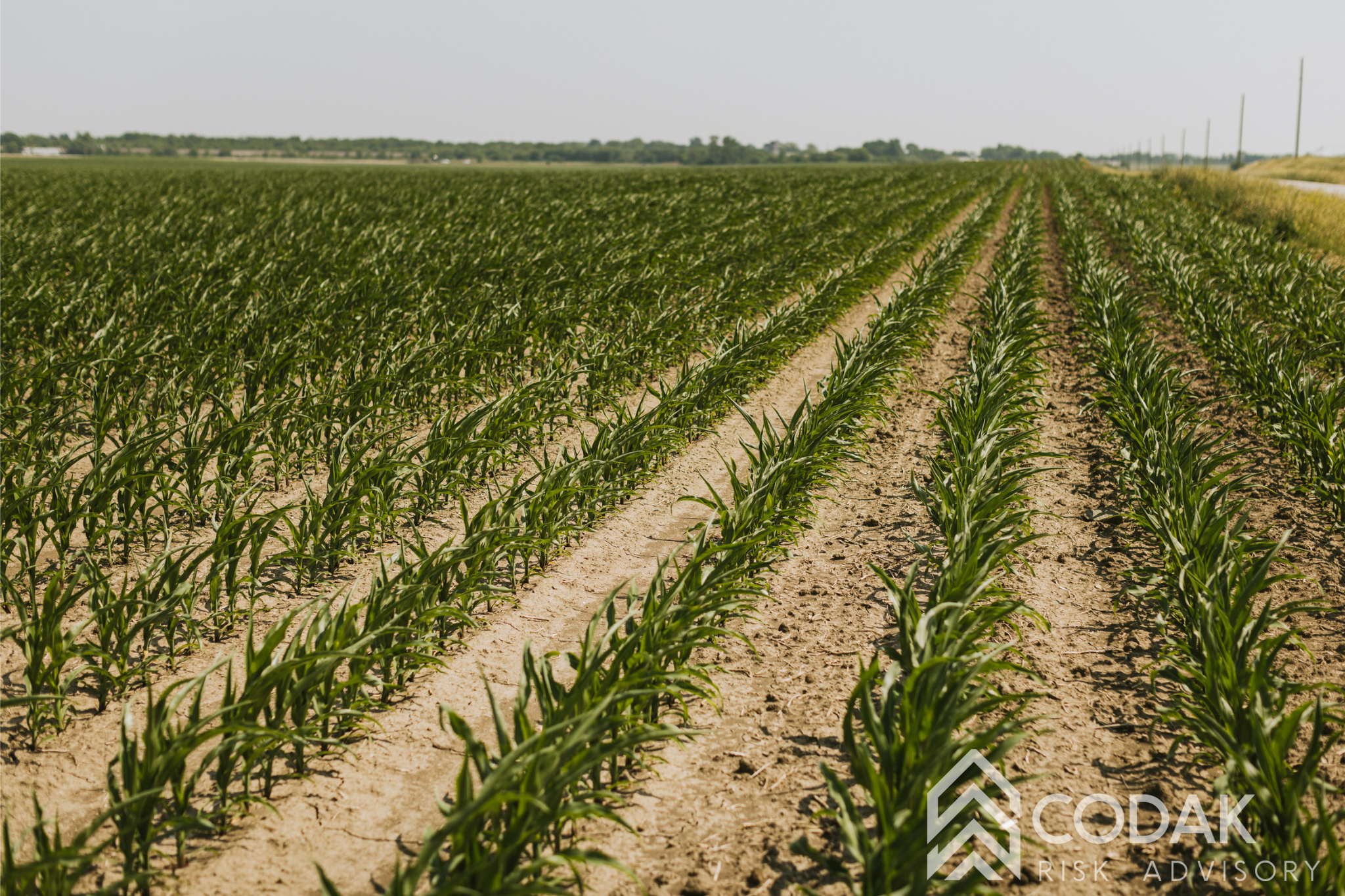
Image from Real Ag Stock
Qualifying Disaster Events
Stage 2 uses the same disaster categories as Stage 1, including:
Severe drought
Flooding
Hurricanes and tropical systems
Derecho winds
Excessive heat
Freeze and winter storms
Wildfire and smoke exposure
Excessive moisture, storms, and more
If one of these events hits your operation in 2023 or 2024, Stage 2 is worth exploring.
What You’ll Need — and Why Stage 2 Requires More Prep
The deadline to apply is April 30th, 2026.
Because Stage 2 covers losses that did not receive a crop insurance indemnity, expect more documentation requirements. You’ll need to be prepared to submit:
Your SDRP Stage 2 application
Production records
Settlement sheets for quality-loss claims
Any supporting documents for uninsured or shallow losses
For many farmers, Stage 2 is the missing piece that fills the financial gaps left by deductibles, uninsured acreage, and quality discounts—the kinds of losses that hurt but aren’t always covered.
If your operation took a hit in 2023 or 2024 and you didn’t receive an indemnity, this program was designed with you in mind.
A Quick Note About Your Local FSA Office
If you reach out to your local FSA, keep in mind that this is a brand-new program for them, too. Details and calculations are still being finalized, and many offices have additional training scheduled to better understand Stage 2 rules. Several offices I’ve spoken with expect to begin officially submitting applications to the system by the end of the week.

Kyle Adams
Crop Insurance Expert | Marketing Advisor, Eastern Corn Belt
With more than a decade of experience as a crop insurance agent, Kyle integrates our marketing strategies with crop insurance products to maximize both sets of tools, creating a well-rounded risk management program for our clients.
Connect with Kyle