
USDA Loads Corn and Dumps the Price with WASDE
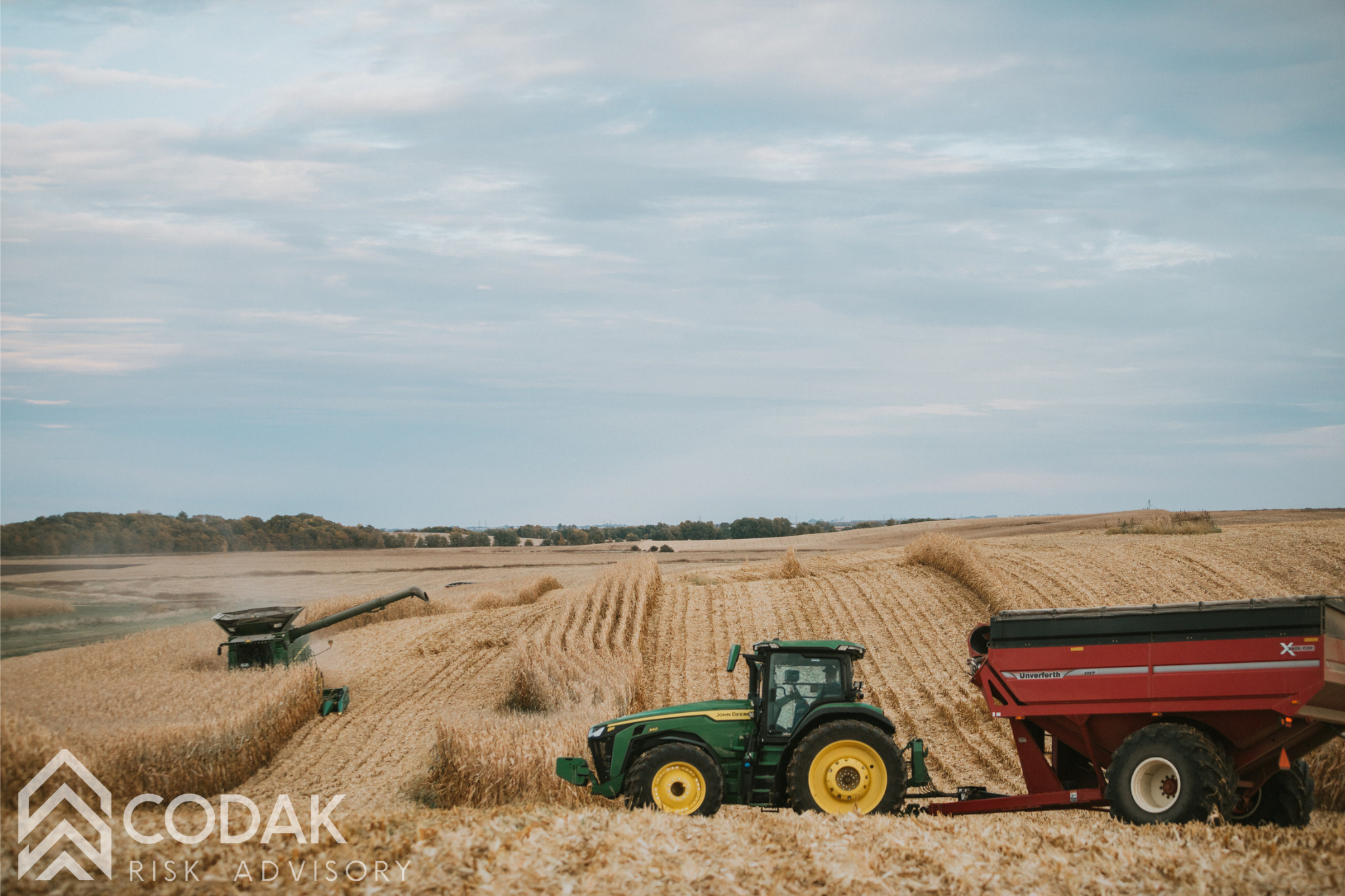
Image from Real Ag Stock
A Pre-Report Rally Ends in a Flash
For the past two weeks, the trade has been focused on one thing: what USDA would estimate for production, acres, demand, and ultimately carryout at the end of the marketing year. Key word being estimates.
Going into the report, corn was trading near recent highs; soybeans had rebounded back toward their highs, and wheat was starting to push through resistance. All of that ended at 11:00 a.m., before anyone could even open the report and read the first word.
Domestic Corn: Record Harvest Assumptions
USDA estimated corn planted acres up by 0.1 million (98.8 million) but raised harvested acres by a surprising 1.3 million — a number that left most honest people scratching their heads. That puts harvested acreage at 92.4% of planted acres, the highest percentage since 2007, and this is in a year of record planted acres. Maybe many fewer acres are getting chopped with fewer cattle, despite people pushing cattle to market as soon as possible.
For context, only 93.5 million acres were planted back in 2007. This year’s harvested acres were raised 800,000 above the most bearish pre-report estimate published by Reuters.
Yield was also bumped up by 0.5 bushels per acre, even though the most bearish estimate going into the report was for no change at all. When you add it all up, USDA increased its corn production estimate by 269 million bushels.
On the demand side, USDA raised Feed and Residual usage by 100 million bushels in what feels like a classic “solve for X” move. Exports were left unchanged, while Food, Seed, and Industrial demand were trimmed by 10 million bushels.
Global Corn: China's Record and a Shrug at Russia
USDA had plenty of room to make adjustments globally, and they took advantage of it. Beginning stocks were increased by another 1.3 million metric tons, adjusted for higher U.S. production.
China’s corn carryout was raised again, pushed up to a self-proclaimed record 301.24 mmt, while Russia’s estimated 12.7 mmt was largely ignored. Global demand was nudged higher only slightly, which still allowed global carryout to climb by nearly 12 mmt — about half of that increase coming from China alone.
What We’re Left With
Interestingly, Chinese corn futures were moving toward contract highs before the report. That’s notable given their carryout is now rebounding to record levels, even after well-documented production issues last season.
Back in November, USDA chose not to reduce Feed and Residual demand, which led many to believe it would later be used to offset a more realistic cut to U.S. supply in January. That assumption turned out to be completely wrong.
Now we’re left with uncharacteristically high harvested acres, despite CRP acres sitting at a 12+ year high, continued expansion of solar and wind projects, and nonstop urban sprawl. The result is a comfortable — maybe too comfortable — carryout.
Feed and Residual demand still looks stretched, even if there’s room for a meaningful upward revision in corn exports down the road. Unless something geopolitical shakes things up, expectations likely need to adjust as we head into the 2026 production season.

Garret Brown
Founder | Market Advisor
Having grown up on a farm, Garret respects the wide range of skills needed to run a successful operation and recognizes farmers are often stretched thin trying to do it all. This understanding, along with his affinity for markets, fuels his drive to make tough marketing decisions simpler for farmers.
Leveraging his experience in grain origination and margin management, Garret analyzes technical and fundamental market information. With the assistance of CODAK’s algorithmic signaling platform, he puts together buy/sell recommendations while working with the CODAK team to create strategies that accommodate each farmer’s personal risk tolerance, on-farm storage capacity, and break-evens.