
Will New Crop Basis Improve Before Harvest?
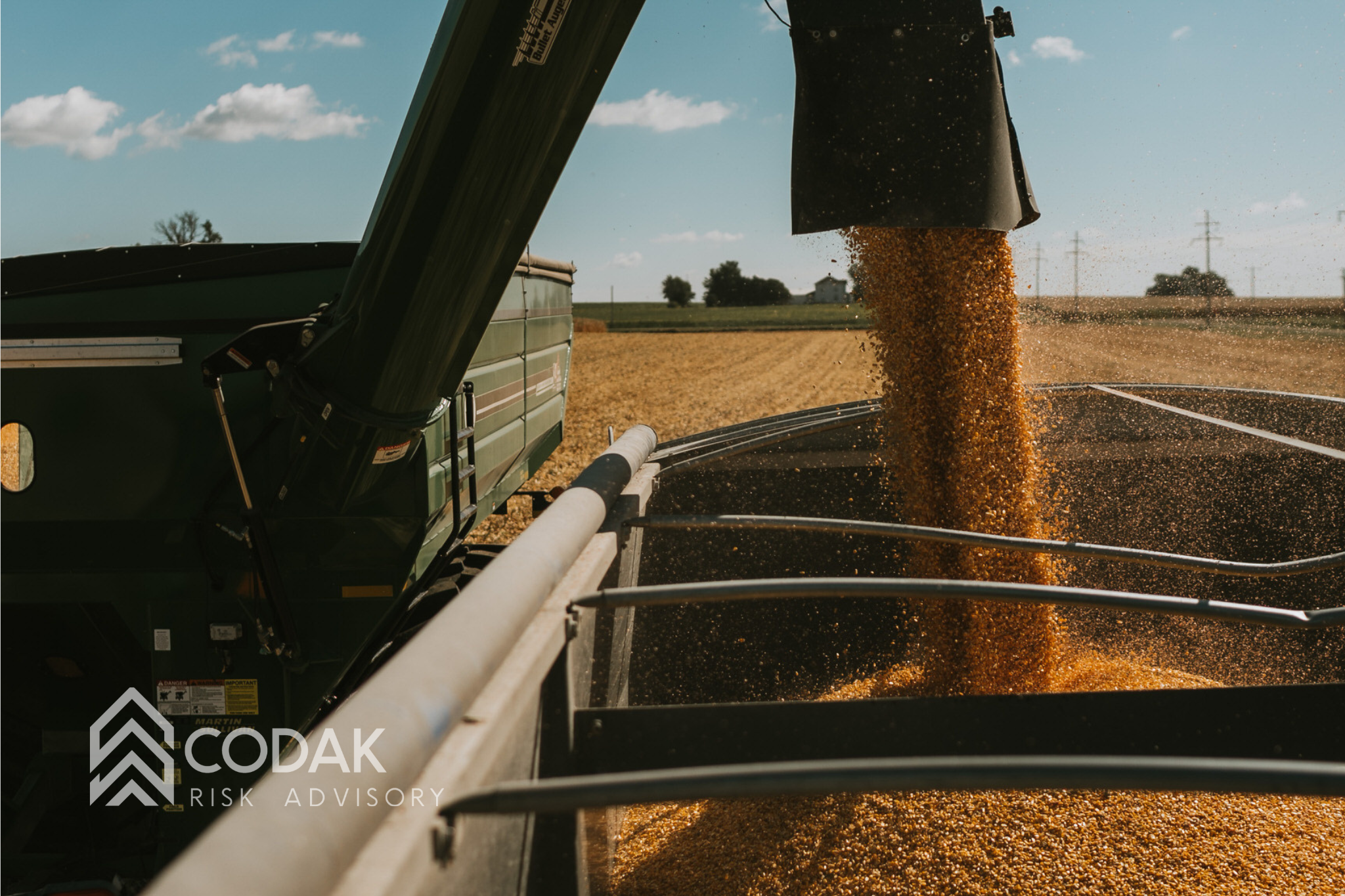
With the Fourth of July behind us, we’re moving towards the second half of the growing season. That means it’s time to start looking more closely at bin space for harvest and to put together a logistical plan to keep the combines moving.
Not everyone can store their entire crop, and the US moves a large portion of its production during a relatively short harvest window. That makes planning even more important.
The PNW market has been under pressure throughout the winter and into the summer as fuel surcharges have surged, significantly impacting basis. There has been a little relief at the fuel pumps recently, but overseas uncertainty continues to cloud the outlook.
With that in mind, new crop basis levels are still hovering around historical values, and there isn't much incentive today to lock up large portions of harvest delivery.
Commercial Demand Has Been Limited
On the commercial side, we haven't seen the level of buying needed to give new crop basis a meaningful push higher.
Mexico, the largest importer of U.S. corn, has made some new crop corn purchases. China has also made a few soybean purchases, and recent reports indicate they are lowering tariffs on agricultural goods, helping improve confidence in future U.S. purchases.
COFCO has also been seen purchasing U.S. soybean cargoes. Meanwhile, reports suggest China's private sector has remained relatively quiet because of tariffs and ongoing uncertainty, delaying purchases needed to fulfill the 25 million metric ton trade agreement.
What Could Move Basis Higher?
The timeline we're seeing isn't unusual. Importers typically step into the market anytime from June through mid-August.
As larger purchases begin and demand increases, that usually works its way into the interior market, supporting basis values.
Once demand reaches the commercial side, merchandisers will do what they can to manage fuel surcharges, although those costs remain uncertain until about a month before shipment. At this point, elevated fuel prices still suggest surcharges could remain a factor for new crop movement.
That said, fresh export demand has the potential to support new crop basis. As we move closer to harvest, any basis improvement should be evaluated carefully to help ensure you have a home for your harvest bushels while taking advantage of opportunities as they develop.

Alex Andel
Basis and Freight | Market Advisor, Northern Plains
As our basis and freight expert, Alex assesses current market conditions and forecasts future scenarios. His keen insights create transparency in the cash market, resulting in significant returns for our clients.
Connect with Alex