
Export Demand and Your Farm: Why Global Buyers Matter to Local Cash Prices
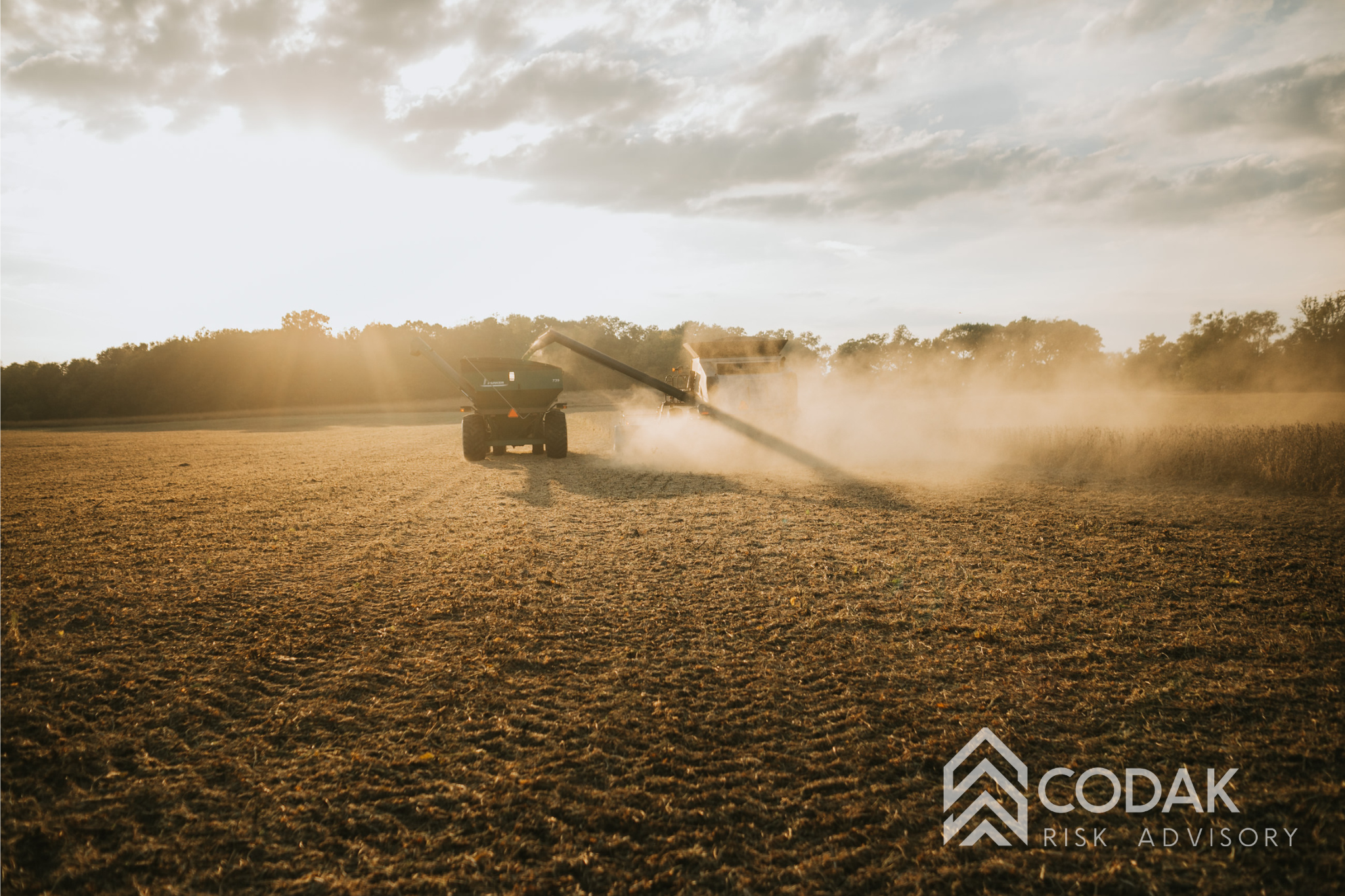
Image from Real Ag Stock
Every week, grain producers are presented with a steady stream of headlines about export sales, trade negotiations, and international demand. It is easy to assume these stories only matter to grain traders or economists. Global grain demand can have a direct impact on the price you receive at your local elevator.
Understanding how export markets influence cash prices can help producers make more informed marketing decisions and better recognize opportunities when they arise.
The Grain Market Is Global
While grain is grown locally, it is priced in a global marketplace. U.S. corn, soybeans, and wheat compete with crops produced in Brazil, Argentina, Ukraine, Canada, and other major exporting countries. When international buyers increase purchases of U.S. grain, demand grows throughout the supply chain. Export terminals, processors, and merchandisers work to secure bushels, often creating stronger bidding competition that can support local cash prices. Conversely, when export demand slows or buyers source grain from competing origins, pressure can develop throughout the market and local bids may weaken.
Why Weekly Export Sales Matter
The USDA's weekly Export Sales report often receives significant attention from traders because it provides insight into global demand trends.
Strong export sales can signal:
Growing international demand
Competitive U.S. pricing
Potential tightening of available supplies
Weak sales may suggest:
Increased competition from other exporting countries
Slower global consumption
Reduced demand for U.S. grain
The market's reaction is not always immediate, but consistent trends in export activity often influence futures prices over time.
How Export Demand Affects Basis
Export demand doesn’t just have an impact on the future levels of a commodity; it also impacts the basis levels as well. When export facilities need grain, they may increase bids to attract ownership. This demand can ripple through transportation networks, river terminals, shuttle loaders, processors, and country elevators. As grain moves toward export channels, local basis levels may strengthen as buyers compete for available supplies. While basis is influenced by many factors, export demand remains one of the most important drivers in grain-producing regions.
Trade Relationships Still Matter
Countries such as China, Mexico, Japan, and several Southeast Asian markets represent major destinations for U.S. agricultural exports. Changes in trade policy, tariffs, currency values, or geopolitical relationships can quickly influence buying patterns. Even rumors of policy changes can create market volatility as traders attempt to anticipate future demand. This is why grain markets often react to international news that may initially seem disconnected from day-to-day farm operations.
What Producers Should Watch
Rather than reacting to every export headline, focus on the broader trends:
Weekly USDA export sales reports
Seasonal export demand patterns
South American crop development
Currency movements among major exporters
Changes in local basis levels
These indicators often provide a clearer picture of demand than any single news story.
The Bottom Line
Export demand is more than a headline. It is one of the key forces that connect global grain buyers to local cash bids. Understanding how international demand flows through futures markets and basis levels can help producers better evaluate pricing opportunities throughout the year.

Ben Nuss
Market Strategist Assistant
With experience in grain buying and seed sales, Ben supports the CODAK team by aligning market strategies with farmer needs. As a market strategist assistant, he puts farmers first through practical, data-driven insights.
Connect with Ben