
What the Grain Market Is Watching Right Now: 5 Key Factors Driving Corn and Soybean Prices
Every day there's another headline claiming to explain why corn or soybeans moved higher or lower. One day it's weather. The next it's tension in the Middle East, big swings in crude oil, export sales, fund activity, or a USDA report.
The truth is, no single headline tells the whole story.
Markets are constantly digesting new information, and prices are adjusting based on what traders believe will happen next—not necessarily what's happening today.
So, what is the market watching right now?
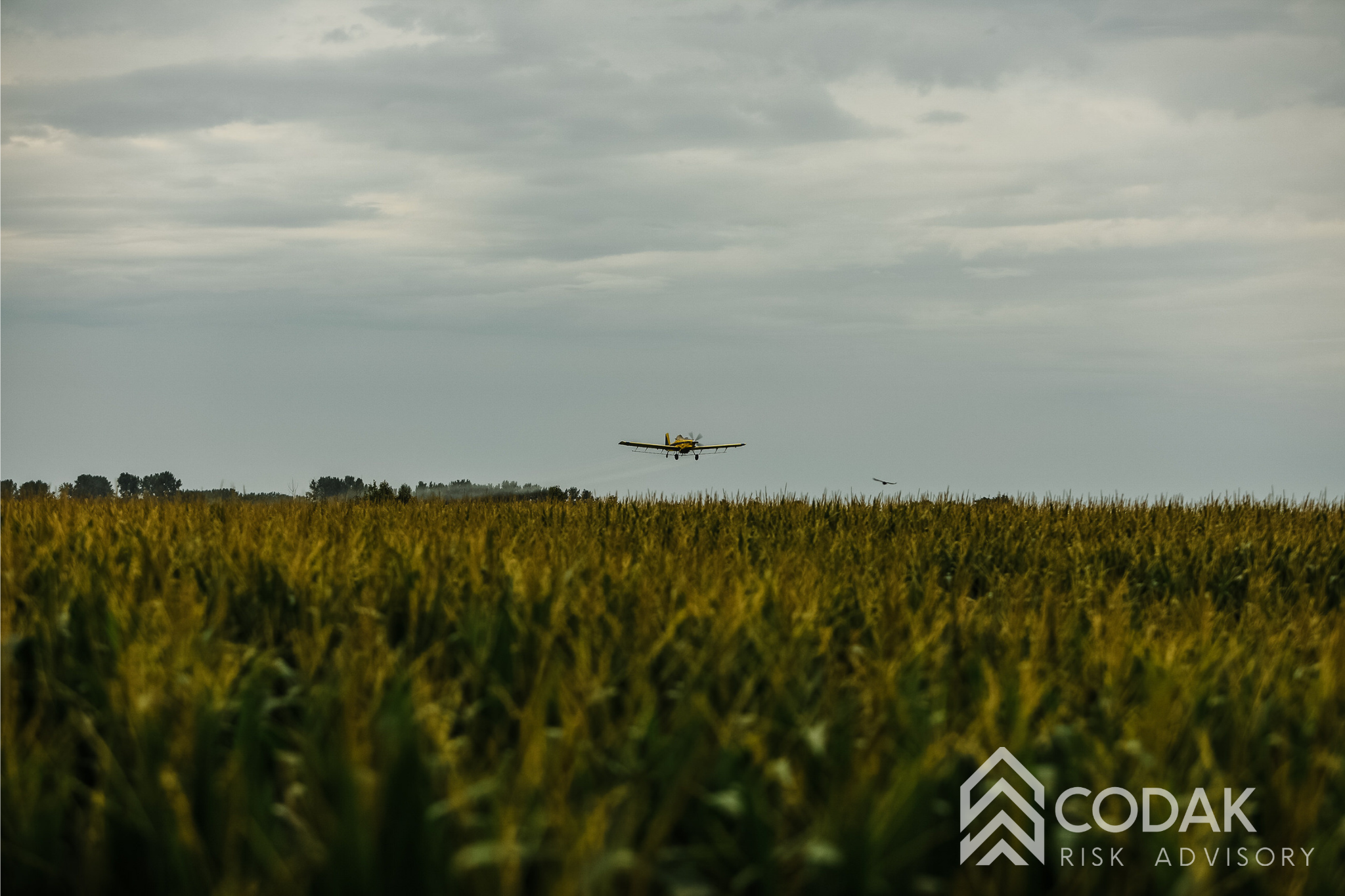
Weather

No surprise here—weather is still at the top of the list.
As we move through the growing season, forecasts can change quickly, and so can the market. Hot, dry conditions during pollination can raise concerns about yield, while timely rains can add confidence that we'll produce a larger crop.
One thing to remember: the market often reacts to the forecast more than the weather itself. That's why you'll sometimes see prices rally on a dry forecast, only to give those gains back a few days later when rain shows up.
Weather markets can create opportunities, but they can disappear just as quickly as they arrive.
What the Funds Are Doing
Managed money continues to have a major influence on grain markets.
These are large investment funds that trade futures to make money—not because they need to buy or sell physical grain. When they're aggressively buying, rallies can gain momentum in a hurry. When they decide to exit those positions, the market can fall just as fast.
We watch fund positioning because it helps explain why the market is moving—not because it predicts where prices will go next.
Export Demand
Demand is just as important as production.
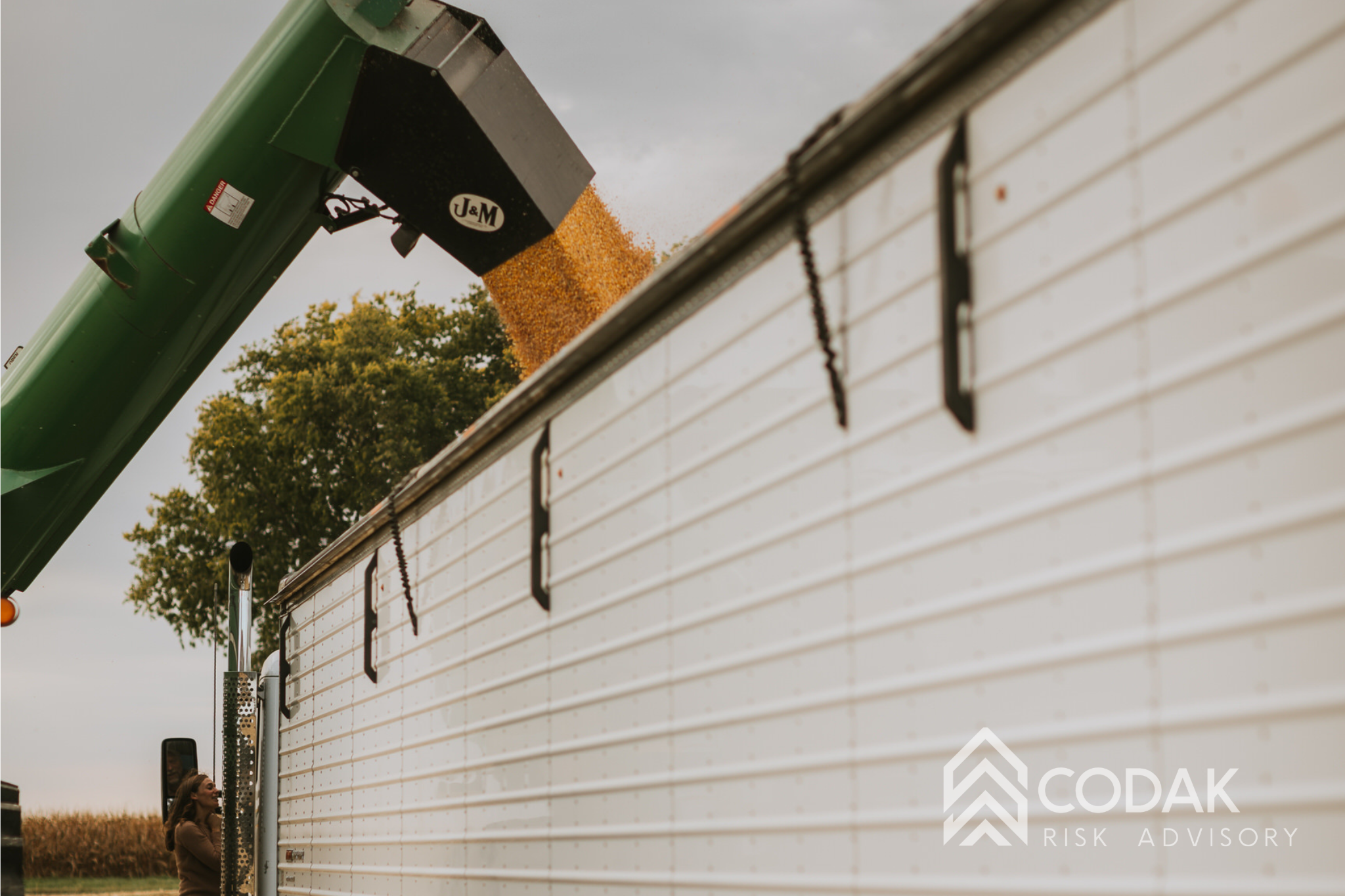
Every week the market watches export sales to see whether buyers are choosing U.S. grain or looking elsewhere. Strong demand is supportive to prices, while weak demand can make rallies harder to sustain.
Competition from Brazil, Argentina, and other exporters is always part of the equation. If they're offering grain cheaper than we are, the market pays attention.
Crop Conditions
Monday afternoons bring another USDA Crop Progress report, and while it's only one report, it gives the market another snapshot of how this year's crop is developing.
Are conditions improving? Getting worse? Are ratings better or worse than traders expected?
Sometimes the numbers themselves aren't what move the market—it's whether they were different than what everyone was anticipating.
Upcoming USDA Reports

USDA reports will always grab the market's attention.
Whether it's the WASDE, Acreage Report, Grain Stocks, or Crop Production Report, these reports can quickly shift expectations for supply and demand.
The report itself isn't what matters most. It's how the market reacts to information.
Sometimes a report looks bullish on paper, but prices still fall because traders were expecting even bigger changes.
The Bottom Line
There will always be something for the market to watch.
Weather will change.
Funds will adjust their positions.
Export demand will ebb and flow.
USDA reports will come and go.
Trying to predict every move is nearly impossible.
Instead, focus on what you can control: having a plan before the market gives you an opportunity. That's often what separates reacting to the market from making disciplined marketing decisions.

Caylee Lair
Market Advisor, Midwest
With 7.5 years of experience in the grain elevator industry, Caylee has a strong foundation in grain merchandising and marketing. She is passionate about helping producers make confident, informed marketing decisions that support their long-term success.
Connect with Caylee