
Getting More Value from On-Farm Grain Storage
For many farmers, grain bins are viewed as a way to avoid bottlenecks at harvest. They keep trucks moving, reduce waiting at the elevator, and provide flexibility when harvest pressure is at its peak.
But on-farm storage can be much more than a place to hold grain.
A grain bin is a marketing tool.
Commercial grain elevators don't simply store grain and wait for prices to improve. They manage inventory, evaluate carrying costs, look for market opportunities, and make decisions based on what provides the best return.
Producers can take the same approach with their own storage.
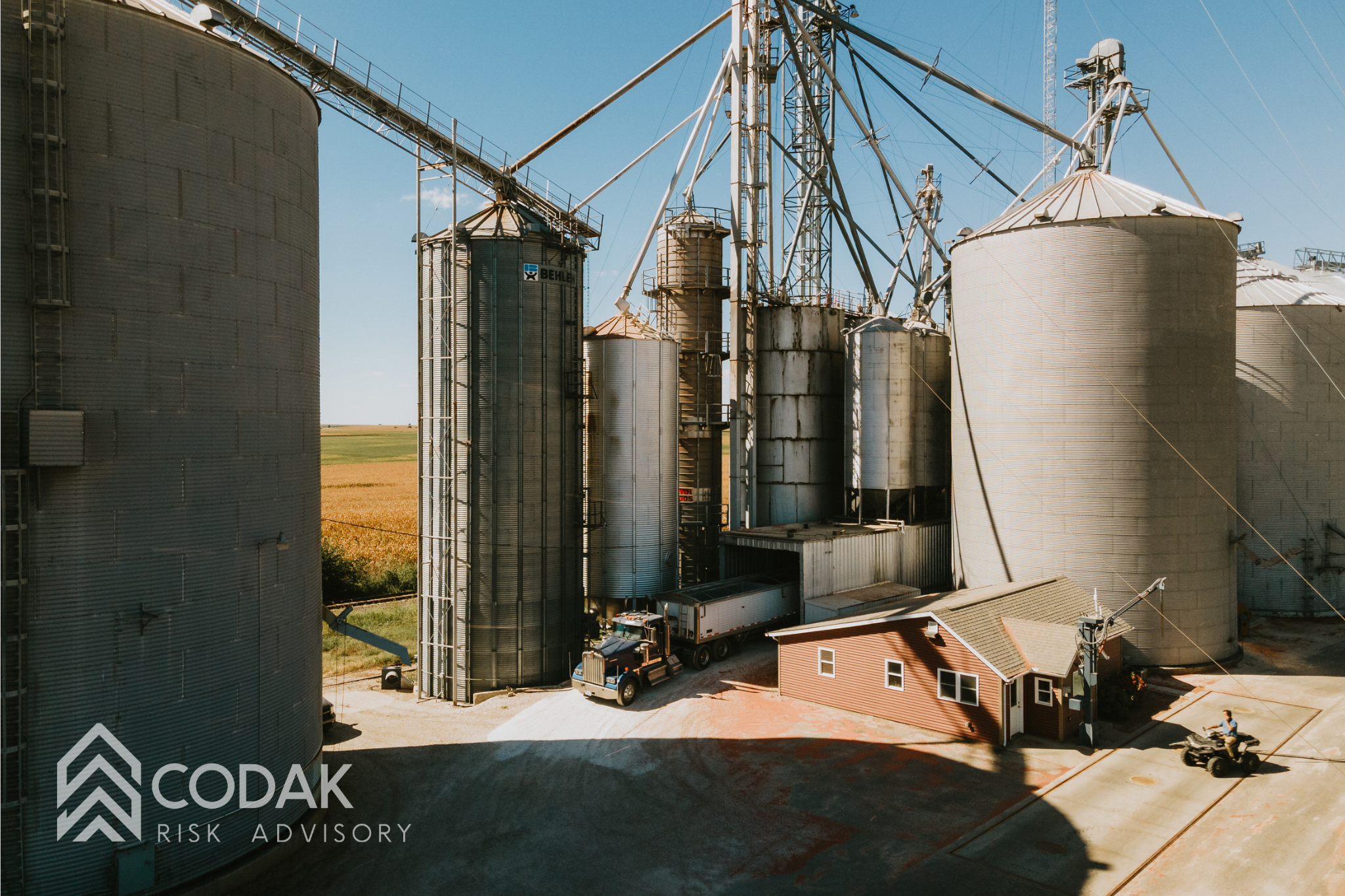
Storage Gives You Options
Harvest is often when grain supplies are at their highest and local basis levels can be under pressure. Producers who need to move grain immediately may be forced to accept the market that's available that day.
If you don't have enough storage, plan accordingly. Look for seasonal opportunities to set basis when it has historically been stronger.
On-farm storage gives you options.
If basis is weak, storing grain may allow you to wait for stronger local bids while spreading sales throughout the year.
But storing grain isn't the only way to stay involved in the market.
If basis is already attractive or you need to improve cash flow, selling the grain and re-owning the market through a hedge account may be another option. That allows you to move the physical grain, free up working capital, and still participate if futures prices move higher.
The key is understanding what opportunity you're trying to capture.
Waiting for basis to improve? Storage may be the right tool.
Looking for futures price appreciation? Re-owning the market may accomplish the same goal without keeping grain in the bin.
Whether you store grain or re-own it through a hedge account, the decision should come down to one question:
Which approach gives you the best return after accounting for risk, carrying costs, and cash flow needs?
Understand Your Cost of Carry

One of the biggest mistakes producers can make is assuming storage is free once the bin is paid for.
While owning storage provides flexibility, there are still costs involved with holding grain.
Cost of carry includes:
Interest on stored grain
Electricity
Maintenance
Insurance
Risk of quality loss
Opportunity cost of the capital tied up in inventory
Think about it this way:
If the market drops 30 cents while grain is sitting in the bin, imagine watching money blow out the roof vent. Every bushel is worth less than it was the day before, and you will still be paying interest on the value of that inventory along with the costs of storing it.
Selling the grain and re-owning the market through a hedge account doesn't eliminate price risk—you still have exposure to the market.
The difference is how your capital is working.
Instead of having the full value of the grain tied up in the bin, you only need the margin required to maintain the futures position. The proceeds from the cash sale can be used to reduce an operating line of credit or meet other cash flow needs, potentially lowering interest expense while maintaining exposure to the futures market.
That doesn't mean re-ownership is always the better choice.
It requires an understanding of futures markets, the ability to meet margin calls if the market moves against your position, and a disciplined marketing plan.
But for some operations, it can be a more efficient use of capital than paying to store physical grain while carrying the full value of the inventory.
The goal isn't just to sell later. It's to improve your net return after all costs have been considered.
Manage Grain Like Inventory
A grain elevator knows:
What grain it owns
Where it's stored
What it's worth
Producers should think about their bins the same way.
Stored grain should be managed with purpose by tracking:
Bushels in each bin
Grain condition and quality
Moisture levels
Marketing goals for each inventory position
Grain sitting in a bin should have a reason behind it.
Storing grain simply because there is space available isn't a marketing strategy.
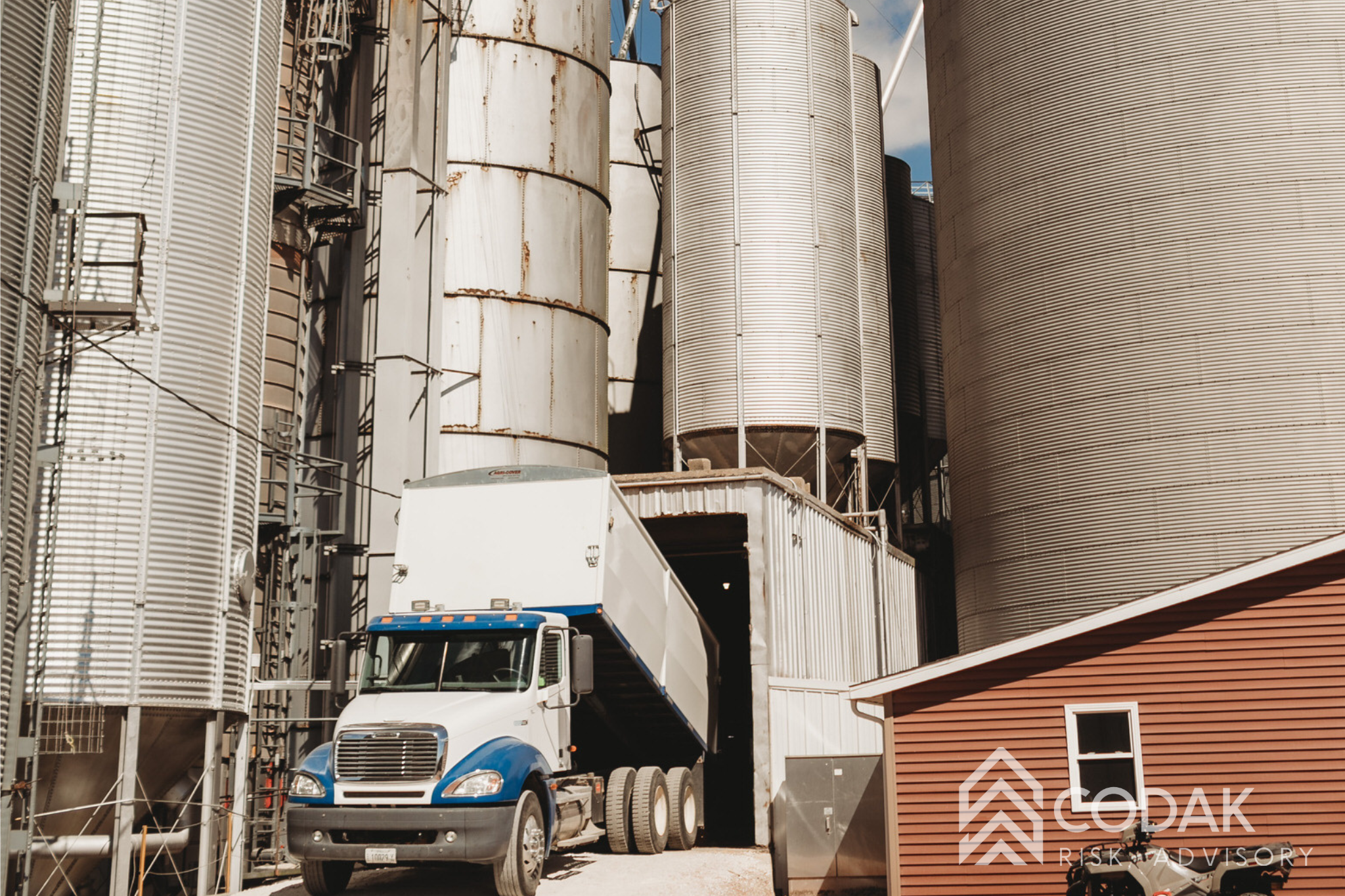
Think Like an Elevator
There isn't one strategy that works in every market.
Sometimes storing grain is the right decision.
Other times, selling grain and re-owning the market may provide a better opportunity.
The best grain marketers don't rely on a single approach. They understand basis, evaluate carrying costs, manage inventory, and use the tools available to them.
A grain bin is more than a building.
It's an investment that can create flexibility and opportunity when managed with a plan.
Thinking like a grain elevator means looking at grain as inventory, understanding your costs, and making decisions based on the return—not just the price on the board.
The best marketing decision isn't always selling at harvest or storing until summer. It's choosing the strategy that creates the most value for every bushel while managing risk along the way.

Kyle Adams
Crop Insurance Expert | Marketing Advisor, Eastern Corn Belt
With more than a decade of experience as a crop insurance agent, Kyle integrates our marketing strategies with crop insurance products to maximize both sets of tools, creating a well-rounded risk management program for our clients.
Connect with Kyle