
What Higher Interest Rates Mean for Grain Marketing in 2026
Interest rates are shaping grain marketing more in 2026 than at any time in the past decade. Higher borrowing costs now affect everything: storage decisions, hedging choices, cash flow timing, and even how markets behave. Producers can’t ignore interest anymore. It has become a core part of marketing grain profitably.
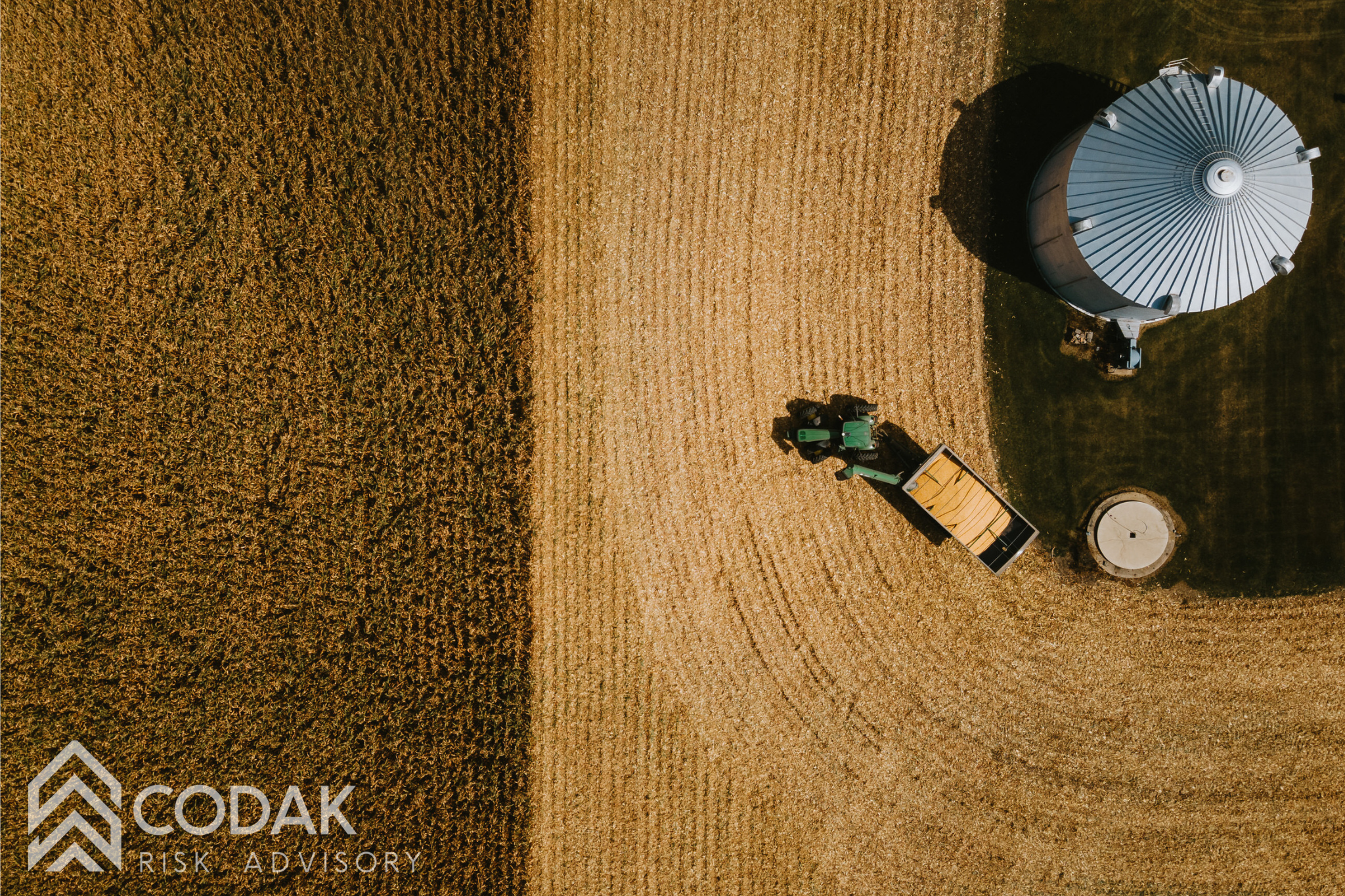
Image from Real Ag S\tock
Cost of Carry: The First Profit Killer
The cost of carry is straightforward: it’s what you pay to hold grain. In low-rate environments, it’s manageable. In today’s environment, it cuts into margins fast.
Cost of carry includes:
Interest in the grain’s value
Storage fees or on-farm operating costs
Shrink and handling
Opportunity cost of not selling
As interest rates rise, every extra month of storage becomes more expensive. If the market isn’t offering enough carry to cover these costs, holding grains simply doesn’t pay. Many producers who were comfortable storing until summer in past years may now see storage turn a profitable idea into a losing one.
Bottom line: If the carry doesn’t cover your cost of capital, selling earlier is usually the smarter move.
Operating Loans: Less Flexibility, Higher Stakes
High interest rates hit operating loans immediately. Every bushel sitting in a bin tie up cash that’s costing interest. That increases financial pressure and reduces flexibility throughout the whole operation.
High rates mean:
Cashflow timing matters more
Delaying sales comes with a growing penalty
“Waiting for a rally” is more expensive than it used to be
A producer holding grain into summer now must overcome a real interest in dragging before seeing any net benefit. Many won’t realize how much interest quietly eats into profits until the year ends, but by then it’s too late.
Hedging Costs More Too
High rates also affect hedging strategies, especially futures positions. Margin calls paid with an operating line cost more, increasing the working capital required to hedge.
Because of that:
Futures hedges may tie up more capital than producers want
HTAs, basis contracts, and forward contracts often look more attractive
Rolling hedges forward costs more when interest carries widen
Hedging is still effective; it simply requires closer attention to how much capital each tool consumes.
How High Rates Shift Market Behavior
Interest rates influence the entire grain supply chain, not just farms.
Commercials store less grain. Higher carrying costs push elevators to move grain earlier, often strengthening basis sooner in the marketing year and creating earlier-than-normal selling opportunities.
Funds buy less due to inflation fears. When inflation cools, and interest stays high, speculative money stays cautious. Expect more seasonal, less emotional price behavior compared to 2021–2023.
Markets react harder to economic news. Highgate environments heighten reactions to Fed meetings, inflation data, and economic reports, creating short bursts of volatility producers can use—if they’re watching.
Smart Adjustments for 2026
Producers navigating high rates often shift toward more capital-efficient strategies:
Sell earlier when carry is thin to avoid paying for storage that isn’t being used.
Use HTAs or basis contracts to protect prices without tying up margin money.
Watch spreads closely; they reveal whether the market truly wants grain now or later.
Match sales to cash flow needs, including loan payments, input discounts, and insurance deadlines.
The Bottom Line
High interest rates make storage more expensive, hedging more capital-intensive, and cash flow management more important. Producers who factor interest in every decision and stay flexible will make clearer, more profitable marketing choices in 2026.

Ben Nuss
Market Strategist Assistant
With experience in grain buying and seed sales, Ben supports the CODAK team by aligning market strategies with farmer needs. As a market strategist assistant, he puts farmers first through practical, data-driven insights.
Connect with Ben